
In 2010, Gould Construction bulldozer operator Jesse Steele was working on an expansion of Ziegler Reservoir above Snowmass Village when his blade hit a mammoth bone. The Denver Museum of Nature & Science sent a team right away. According to Aspen Daily News, that first excavation was "a frantic race against the weather" and lasted less than two weeks before heavy snow arrived.
The site is about to be excavated again. This time the date is on the calendar, the museum is ready ahead of time, and the dig will run for months. The reason is water. Snowmass Water & Sanitation District plans to deepen Ziegler Reservoir in 2027, and that project is what gives scientists a second chance at one of the richest Ice Age sites ever found. The reservoir work sets the dig's dates, its scale and its limits.
The Reservoir Project Sets the Timeline
The goal is 40 million gallons of additional raw-water storage. The reservoir already supplies water storage and snowmaking. The district says deepening it will keep up with the town's current needs and protect supply in drought years. District manager Kit Hamby explained the reasoning in a release quoted by The Aspen Times:
"Raw water reservoir storage is fundamental to our long-range planning goals. Deepening Ziegler Reservoir will provide Snowmass Village with an additional 40 million gallons of storage — an indispensable asset during periods of drought and low stream flows."
The district's August 2026 site-visit presentation for contractors adds two more goals: better raw-water quality and less pressure on water used for snowmaking. Anyone who read our piece on how Woody Creek's water and land are sold separately knows that storage is one of the most valuable things a community in this valley can own. Snowmass is adding to its supply in the same place it found mammoths.
This project is much bigger than the 2010 one. In 2011, crews had to remove 80,000 cubic yards of soil, build a dam and refill the reservoir. The district's August 2026 site-visit presentation for contractors calls for removing about 190,850 cubic yards, more than twice as much, plus a reinforced-concrete intake built into the hillside. Some of the excavated material is planned for Snowmass Ski Area, including placement in terrain and bike-park areas and a stockpile of peat. If that plan holds, some soil that sat under the reservoir since the Ice Age will end up on the ski area.
The district put the money question to its voters as Ballot Issue 6A on the Nov. 3 ballot. The measure asked to let the district borrow up to $15 million through bonds, with repayment capped at $22.5 million. It also asked to let district taxes rise by up to $2 million a year. The ballot language says the money would expand the reservoir and improve raw-water quality, as listed in Aspen Public Radio's election guide.
Two Weeks, Seven Weeks, Several Months
The public announcement sets the reservoir enhancement and active dig for May through Sept. 20, 2027. The district's earlier contractor presentation said construction could begin as soon as early March. Here is how that compares with the first time around:
| Dig | What set the limit | How long scientists had | Who was working |
|---|---|---|---|
| 2010 | The first heavy snow | Less than two weeks | A museum team sent in a hurry after the find |
| 2011 | The district's construction schedule | Seven weeks, the most the district could give | Museum staff working beside district crews |
| 2027 | A planned reservoir project, May to Sept. 20 | Several months | About 40 to 50 people, planned ahead of time |
The Aspen Daily News story describes the 2027 work as a growing partnership among the Aspen Science Center, Snowmass Tourism, the Town of Snowmass Village, the Denver Museum of Nature & Science and the water district, with more partners likely to join. In 2010, nobody knew there was anything to find. This time the partners have months to plan for science, education, the local economy and visitors before any digging starts.
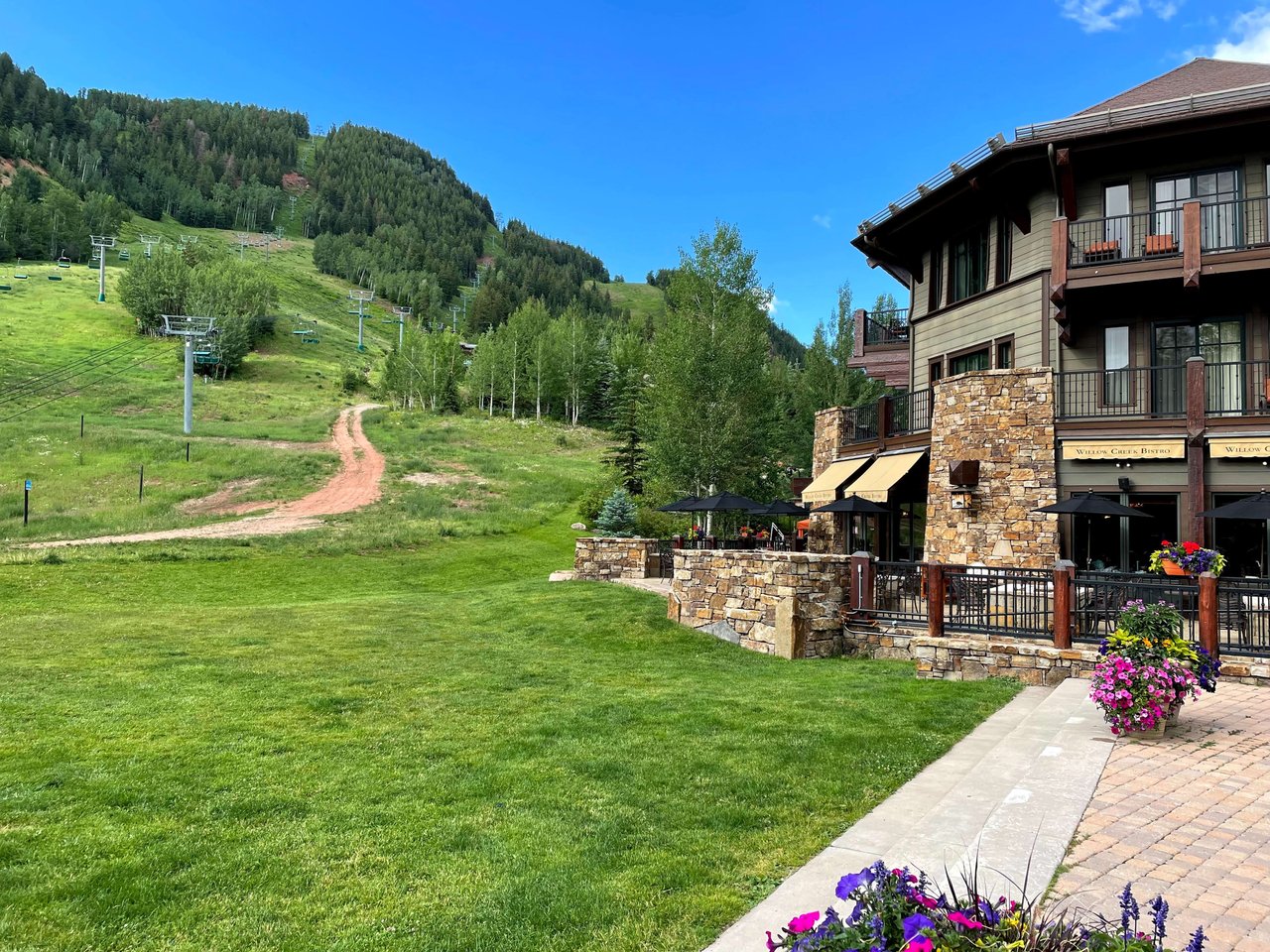
The location matters for residents, too. Snowmass Tourism says the active dig will be "just a few hundred yards from the village and Snowmass' hiking and biking trails." Next summer, a working paleontology site will sit within walking distance of the village and its trails.
What a Second Look Could Turn Up
The first excavation is famous for good reason. The museum found more than 6,000 large-animal bones and 30,000 small-animal bones from mammoths, mastodons, giant ground sloths and Ice Age bison, along with plant and insect fossils covering nearly 85,000 years. The "Snowmastodon" nickname comes from more than 35 individual mastodons, the most ever found in one place in the world.
Scientists believe many more fossils are still in the ground. The tools have also changed in the nearly two decades since. The museum plans to study ancient soils and look for preserved proteins and environmental DNA, so it can piece together how plants, animals and climate changed together over tens of thousands of years. In 2010 the dig was a rescue job. In 2027, the soil itself becomes something to study.
Aspen Public Radio reported that the museum scientists involved include Patrick O'Connor, its director of Earth and Space Sciences and curator of vertebrate paleobiology, and Gussie McCracken, assistant curator of paleobotany. Both spoke on a public panel at Limelight Snowmass during Science in Snowmass in September. Aspen Daily News described McCracken telling a Snowmass Village audience about the elephants and camels that once lived in what is now the town's backyard.
Why Helping Takes More Than a Free Saturday
The town's 2010 experience is part of why people want to get involved. Sara Stookey Sanchez of Snowmass Tourism and Alex Tarika, executive director of the Aspen Science Center, both recalled how the community turned out 15 years ago, with local teachers digging alongside museum staff. Sanchez said bringing that community spirit back is a priority, and the science center expects to coordinate volunteers and host education events.
Volunteering will still look different from a casual drop-in. Jacqueline Altreuter, the museum's vice president of strategic initiatives, explained the reasons to Aspen Daily News:
- The bones belong to the state. The water district was created by the state, so Colorado owns any fossils found inside the reservoir's footprint. The museum collects them under a memorandum of understanding with the state.
- The museum has accreditation standards to meet. Rules for recovering and storing fossils mean volunteers must be trained, because fragile bones can shatter.
- The time commitment is weeks or months. Single days and a few spare hours won't work.
- The work is physically hard. It means lifting heavy shovelfuls of wet dirt, week after week.
Altreuter also said housing could be another important form of community support. A crew of 40 to 50 people working for several months needs somewhere to sleep near the site. The museum is overseeing staffing and volunteer coordination. Snowmass Tourism runs a sign-up for updates on the dig, visitor experiences and volunteer opportunities.
Between Opening Day and May
The ski area's winter season is scheduled for Nov. 26, 2026 through April 11, 2027. Snowmass Tourism's Ice Age page lists two ways to follow the story during those same dates:
- A weekly guided Ice Age Explorer Tour around Snowmass Village.
- The self-guided Ice Age Passport Walk, which you can do whenever you like around the village.
The Passport Walk works for a stroll after skiing or a relaxed afternoon with family visiting for the holidays. It also gives some background before construction starts. In summer, the trail-based Discovery Trail adds another route through the same history. Our Snowmass Village neighborhood guide and winter guide cover the rest of the season around the village.
If the plan holds, the reservoir will be holding 40 million more gallons by fall 2027, and the museum will have spent a full summer on ground that it got to work for less than two weeks in 2010.
If you're curious how next summer's dig might affect a home near the village, or you just want to compare notes on the Snowmastodon story, the team at PJ Bory would be glad to talk it through over coffee in Snowmass.