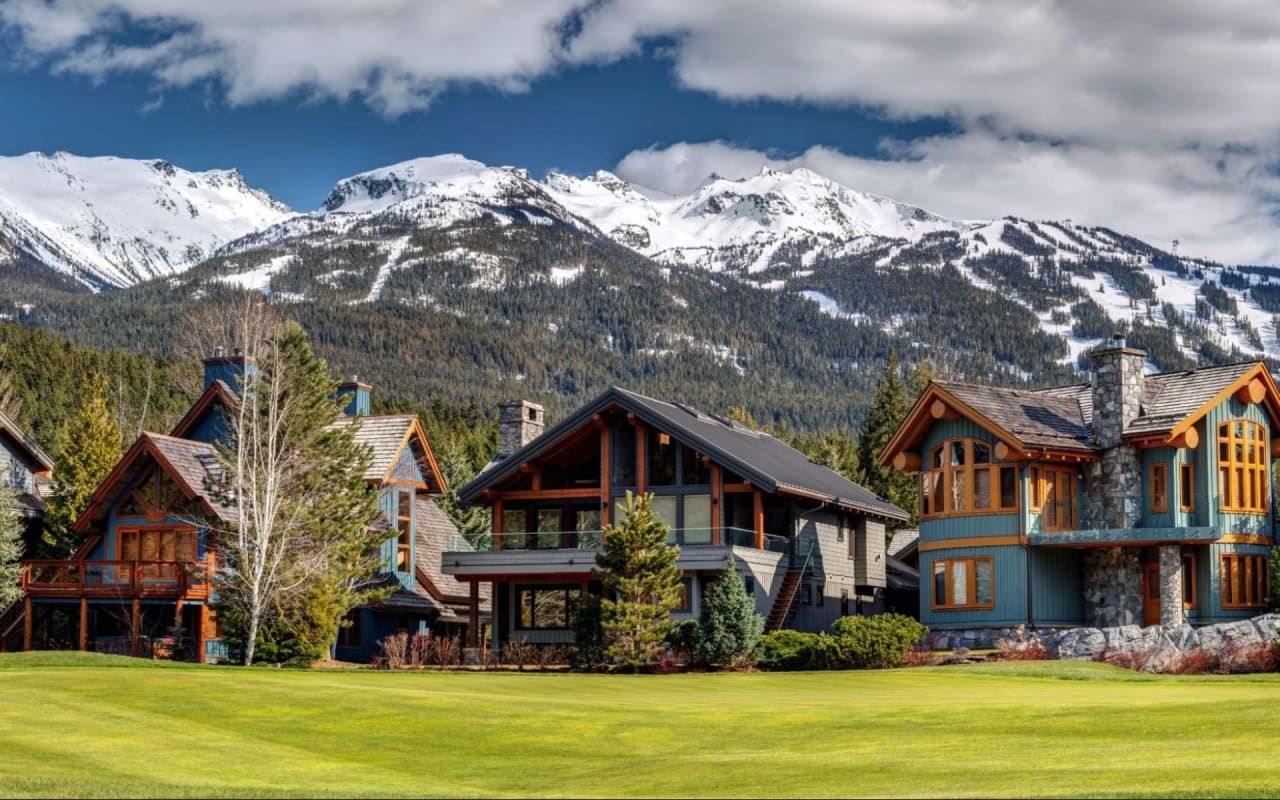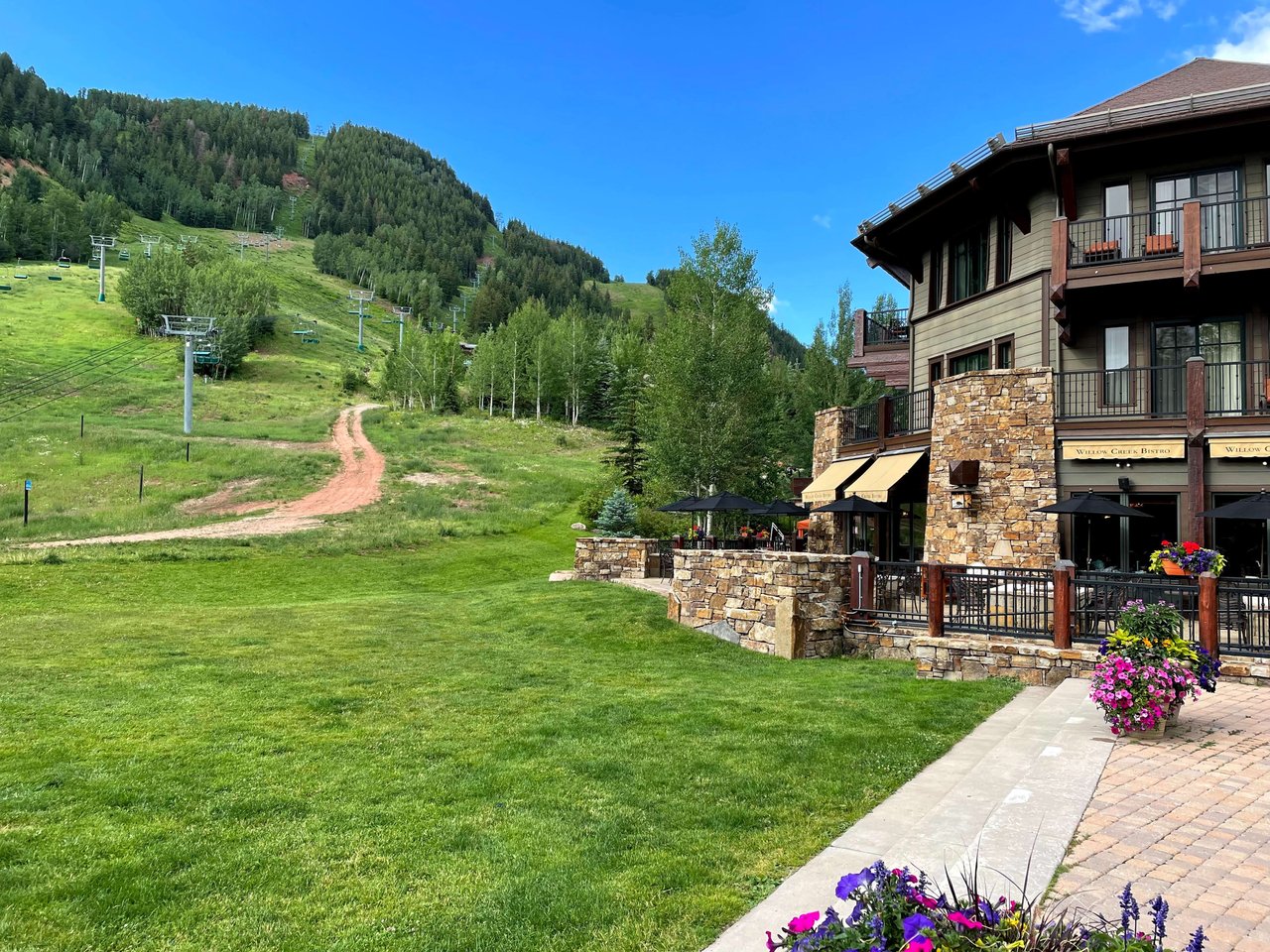

Wondering whether your Aspen-area home should come with more land or more walkable convenience? If you are choosing between Woody Creek and Aspen, you are really weighing two very different versions of luxury living. One leans quiet, private, and rural, while the other puts you closer to dining, culture, and city review processes. Let’s break down how each setting works so you can see which one fits your goals best.
Luxury Means Different Things Here
In Woody Creek and Aspen, luxury is not just about price point or finishes. It is also about how the property sits on the land, what surrounds it, and what your ownership experience may feel like over time.
For many buyers, the decision comes down to a simple tradeoff: land and quiet versus convenience and culture. Both can be exceptional, but they deliver very different day-to-day experiences.
Woody Creek Offers Rural Luxury
Woody Creek is shaped by Pitkin County rules for unincorporated property, not Aspen city code. According to Pitkin County, long-range plans are advisory but influential, while the land use code and zoning maps are the controlling authority.
That matters because Woody Creek is best understood as a rural area with preservation goals. The county’s current zoning materials say RS-20 is intended primarily for the Woody Creek area, while AR-10 is designed to support small-scale agricultural activities and large-lot residential development that maintains a rural character.
Woody Creek Prioritizes Space
If you picture larger parcels, more distance between homes, and a stronger sense of separation from town, Woody Creek often fits that vision. County materials support expectations around low-density development and site planning shaped by rural zoning.
The Woody Creek Caucus Master Plan describes rural residential land as non-irrigated and says very low-density development is acceptable. It also emphasizes traditional agriculture, ranching, small holdings for cattle and horses, open lands, and wildlife habitat as part of the area’s defining character.
Woody Creek Site Planning Is More Land-Based
In Woody Creek, the land itself often has a stronger role in what can be built and how a home is positioned. Pitkin County lists Woody Creek Road, Lower River Road, and Upper River Road as collector streets with 50-foot setbacks.
The county also requires 100-foot stream setbacks from rivers, streams, and creeks. For buyers, that means river or creek settings can be highly appealing, but they also come with planning considerations that may affect placement, expansion, and overall site design.
Woody Creek Feels Intentionally Low-Impact
The Woody Creek Caucus Master Plan says the area has consistently discouraged new or expanded commercial activity and seeks to keep uses low-impact and small in scale. While that is not a direct legal definition of the community, it helps explain why Woody Creek tends to feel more residential and estate-oriented than service-heavy.
If you are looking for a home where privacy, open land, and a quieter setting drive the experience, Woody Creek often aligns well with that goal. The appeal is less about immediate urban convenience and more about breathing room.
Aspen Delivers In-Town Luxury
Aspen offers a very different ownership profile. In town, property is governed by Aspen’s municipal code, planning review, and historic-preservation system.
That creates a more structured in-town environment. It also places you close to one of the region’s most concentrated collections of restaurants, galleries, museums, live music, and cultural programming.
Aspen Brings Amenities Closer
Aspen’s dining and culture resources describe the city as a major amenity center. The Aspen Chamber says the restaurant scene rivals larger metropolitan cities, while local culture guides highlight galleries, museums, live performance, and screen-and-stage offerings.
For buyers who want easy access to restaurants, events, and year-round activity, that proximity can be a major advantage. In Aspen, luxury often includes being able to step into town life quickly and often.
Aspen Ownership Often Involves More Review
With that in-town access comes a different regulatory environment. Aspen’s Planning & Zoning department says staff review projects both large and small to ensure compliance with the land use code.
The city also notes that allowable floor area, setbacks, height, and permitted uses depend on the zone district. In practical terms, that means buyers should expect a property’s expansion potential and design path to be shaped by city review.
Historic Preservation Shapes Many Properties
Historic preservation is a meaningful part of owning in Aspen. The city says it has engaged in preservation since the early 1970s, and a city update states that its historic landmark inventory includes about 300 properties from Victorian and Modern eras that are subject to design review for proposed alterations.
That does not apply to every property, but it is an important part of the in-town landscape. If you are considering a historic or landmarked home, the review process may become a central part of your ownership experience.
Aspen Lots Are Often More Compact
Aspen’s zoning examples also show how different in-town lot patterns can be from Woody Creek. One city submission example references a 6,001-square-foot lot in R-15A with a 4,655-square-foot net lot area after slope adjustments.
That example helps illustrate the contrast. In Aspen, parcels are often measured in the low-thousands of square feet, while Woody Creek buyers are more often thinking in terms of acreage, separation, and broader site context.
Woody Creek Vs Aspen At A Glance
Here is the simplest way to frame the comparison:
| Factor | Woody Creek | Aspen |
|---|---|---|
| Setting | Rural, low-density | In-town, amenity-rich |
| Governing rules | Pitkin County zoning and land use code | City of Aspen code and planning review |
| Typical property feel | Larger parcels, more privacy | More compact lots, closer to town |
| Character drivers | Open land, ranch context, stream setbacks | Dining, culture, historic context |
| Commercial intensity | Intentionally low-impact and small-scale | Concentrated restaurants and cultural venues |
| Ownership considerations | Setbacks, stream rules, rural zoning | Zone district rules, design review, historic review |
Is Woody Creek Too Remote?
For some buyers, this is the first concern. Woody Creek is intentionally rural in character, but it is not cut off.
RFTA currently operates free Woody Creek bus service between Woody Creek and Aspen or Snowmass, with pickup at Brush Creek Park & Ride and seven-day service. So while Woody Creek trades immediate urban convenience for seclusion, access to Aspen and Snowmass is still practical.
Which Area Gives You More Flexibility?
There is no one-size-fits-all answer. Flexibility depends on the specific parcel, zone district, and any site constraints tied to streams, roads, slope, or historic status.
That said, Aspen properties generally involve more layers of city review, while Woody Creek is more shaped by county rural zoning and setback rules. If future changes to the property are important to you, this is one of the most valuable topics to evaluate early.
How To Choose The Right Fit
A helpful way to decide is to focus on how you want your home to function, not just how you want it to look. The setting around a property often shapes your long-term enjoyment as much as the architecture itself.
Woody Creek may be the stronger fit if you want:
- More land and separation
- A quieter residential setting
- River, ranch, or open-space context
- A lower-intensity environment
Aspen may be the stronger fit if you want:
- Faster access to restaurants and events
- A more urban luxury experience
- Close proximity to galleries, museums, and live entertainment
- An in-town property with established city structure and review
The Bottom Line
Neither Woody Creek nor Aspen is better in a universal sense. They simply offer different versions of luxury in the same valley.
If your priorities center on acreage, privacy, and a rural setting, Woody Creek may feel like the natural match. If you want your luxury home tied more closely to dining, culture, and in-town convenience, Aspen may be the clearer choice.
If you want help comparing specific properties, zoning context, or lifestyle tradeoffs in the Aspen area, PJ Bory offers experienced, low-pressure guidance tailored to how you actually want to live.
FAQs
Is Woody Creek or Aspen better for privacy?
- Woody Creek is generally the stronger match for privacy because county zoning and master plan materials support larger parcels, low-density development, and a rural character.
Are Aspen lots usually smaller than Woody Creek properties?
- Aspen lots are often more compact, and city zoning examples show parcels measured in the low-thousands of square feet rather than acreage.
Does Woody Creek have easy access to Aspen and Snowmass?
- Yes. RFTA operates free Woody Creek bus service between Woody Creek and Aspen or Snowmass with seven-day service.
Do Aspen homes face more design review than Woody Creek homes?
- In many cases, yes. Aspen properties are reviewed under city planning and zoning rules, and some properties are also subject to historic-preservation review.
What should buyers compare first between Woody Creek and Aspen?
- Start with your lifestyle priorities: whether you value land, privacy, and a quieter setting more than immediate access to dining, cultural offerings, and in-town convenience.