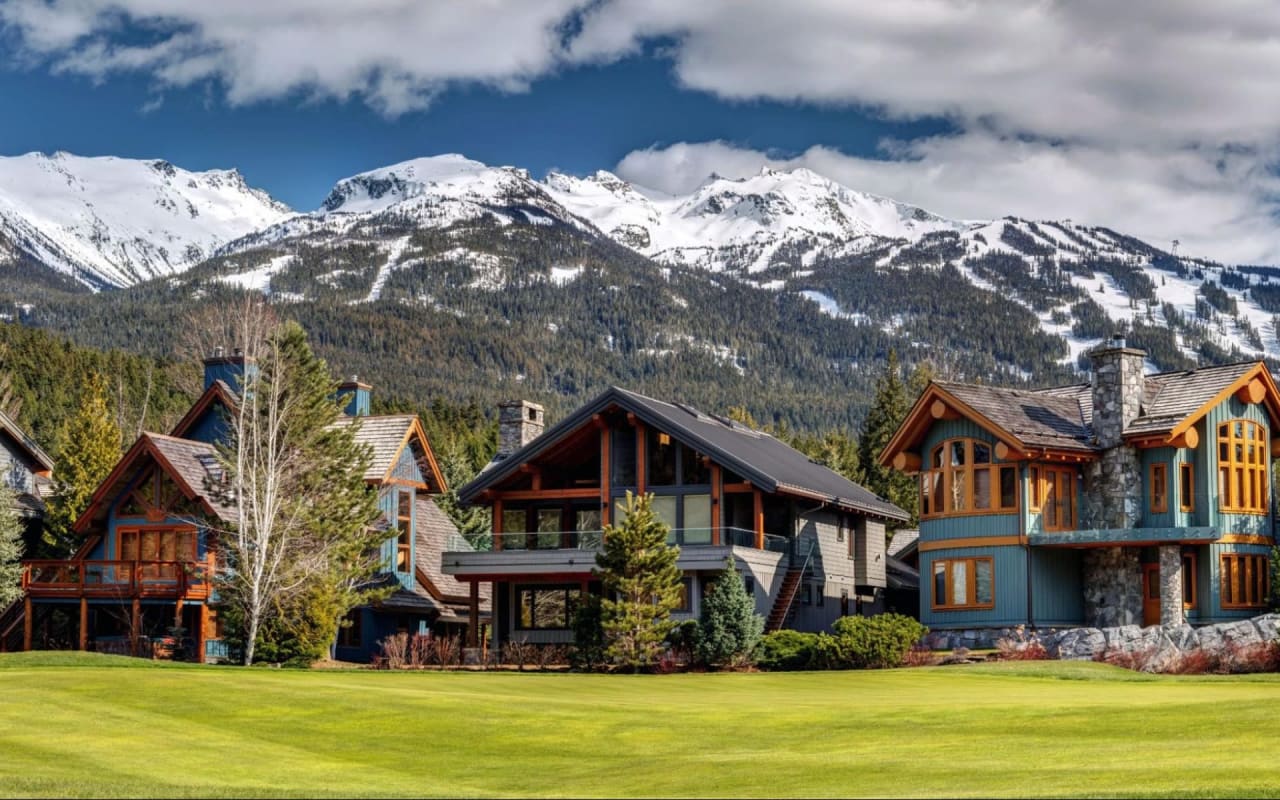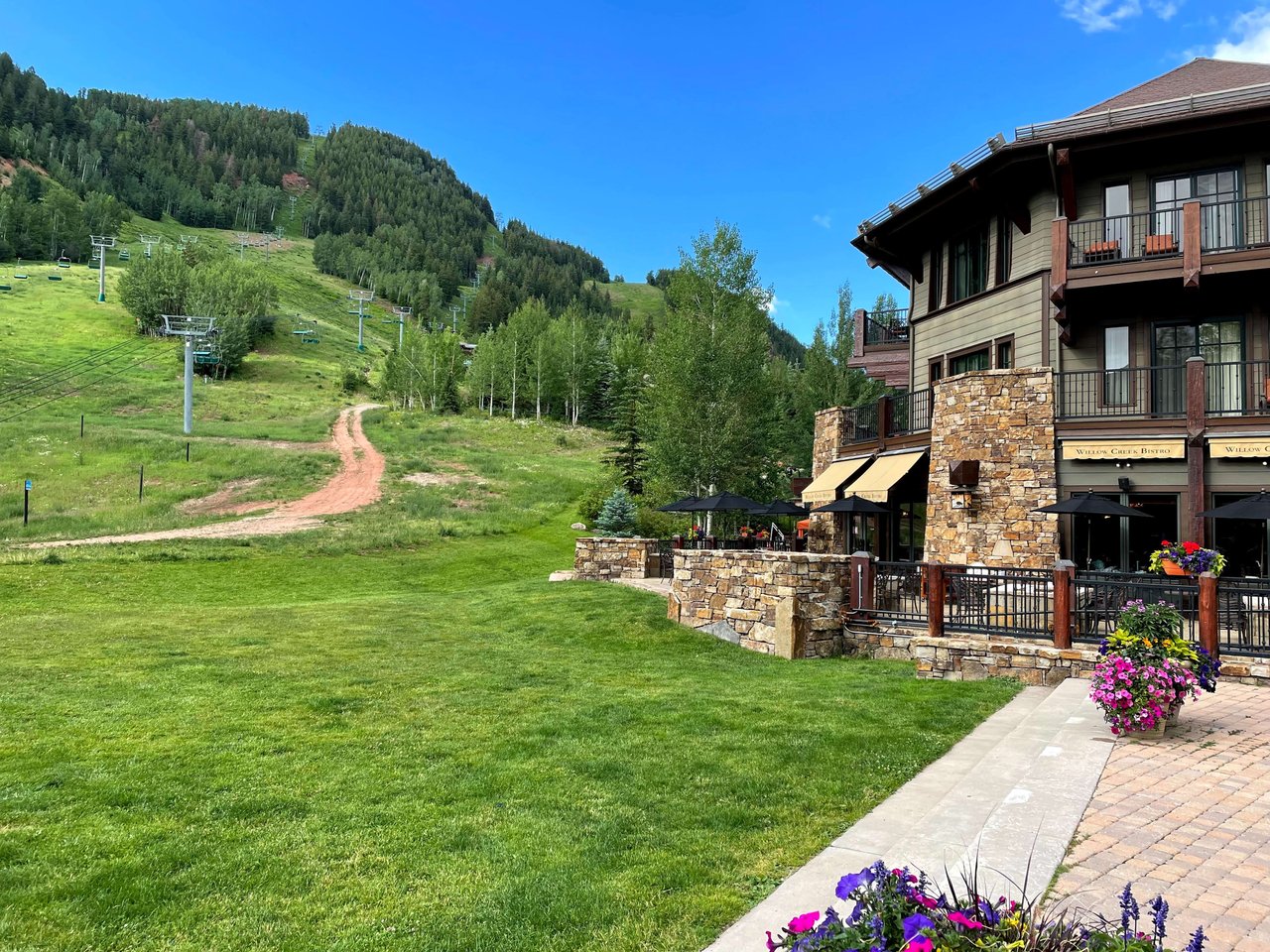

When the Aspen Daily News photographed the site of Willows Building D on May 24, 2026, it was still an empty lot. The two-story, seven-unit condominium building in Snowmass Village burned on March 6, 2024, and was demolished. More than two years later, the Willows homeowners association had a contractor, approved plans for an 11-unit building, and a budget that still didn't balance.
The building that burned dated from the 1960s, and the insurance payment covered replacing that building, not the new one. If you're comparing condos in Snowmass Village's older complexes, the Willows rebuild is the clearest local record of what a building's age can cost its owners, and of how much of that cost lands on units that never caught fire.
The insurance paid to replace a 1960s building
The Willows HOA received a $9.2 million insurance payment. According to the project's architect, Dana Ellis, in the Aspen Daily News report of May 25, 2026, the association was still about $1.9 million short of total costs as of that month, a figure that included a proposed housing mitigation fee.
At the council meeting, a council member asked whether the HOA had been underinsured. The association's attorney, Bill Argeros, said it wasn't, and that the replacement cost covered "only the building built in the 1960s." He said the insurer told the HOA it would have to pay for a new foundation itself, because the old one could only support a two-story building. Asbestos remediation added about half a million dollars that insurance didn't cover, he said.
Two of those costs, the foundation and the asbestos work, sat outside the insurance payment, and both belonged to the old building. The Willows owners learned what they were worth only after the building was gone.
Four extra units to close the gap
The HOA's solution was to build bigger. The replacement Building D has three stories and 11 units: the original seven plus four new free-market units, two studios at basement level and two larger units on the third floor. Ellis estimated the four new units would bring the HOA about $7.3 million. She told the council they were needed to cover "construction costs growing at a rate that is very concerning for our industry."
The four added units also came with a town housing fee of about $430,000. On June 1, 2026, the Town Council gave the reconstruction its final approval unanimously. In a separate 4-1 vote that night, the council cut the fee by 40%, to about $258,000, as the Aspen Daily News reported on June 4. Council member Tom Fridstein said the new building was "not being built for commercial reasons." The town worked with the owners to bring the cost down. The construction schedule still sets how long owners carry their share. The town's June 1 staff memo expected construction to start in late spring 2026 and take 12 to 24 months. It said the four new units could sell in late 2027, in 2028 or later. RA Nelson holds the construction contract.
What owners outside Building D paid
The figures that matter most to a buyer come from the rest of the complex. The Willows has about 64 homeowners, and the cost of the new building is split among the whole association, not only the seven owners who lost their units. In April 2026, several owners wrote to the Town Council, and their letters are in the council's public meeting packet. Together with the May reporting, they give a running record of what owning at the Willows has cost in recent years.
| Cost reported | Amount | When and source |
|---|---|---|
| Special assessment for exterior renovations and landscaping | $70,000 per studio, recently paid off | Owner letter to council, April 2026 |
| Unit rewiring, aluminum to copper | $15,000 to $20,000 per studio, estimated | Owner letter to council, April 2026 |
| Outstanding Building D project costs | About $29,000 per unit, across 64 units | Aspen Daily News, May 25, 2026 |
| Share of that tied to permits and the proposed fee | About $7,800 per unit | Aspen Daily News, May 25, 2026 |
The per-unit figure in the last row dates from before the council's June vote, so the fee portion has since come down. The rewiring reaches the most owners. Owner letters said that, because of insurance, Willows owners with aluminum wiring had to upgrade to copper. Owners' letters also said HOA dues had gone up since the fire, and that homeowners insurance had become harder to get and more expensive.
None of these figures appears in a listing price or in a price per square foot.
Timberline shows the same work done on a schedule
The Willows paid for its building's age all at once, after a disaster. The Timberline Condominiums show the other way it happens, as a planned program. The Timberline dates from the 1970s, and its management site says its last remodel was finished in the early 2000s.
About twenty years later, it began replacing windows, balconies, stairwells, wall paneling and chimneys, building by building. The Lodge and D buildings came first, from April through November 2024. The original plan scheduled the A, B and C buildings for summer 2025. The schedule ran longer than planned: the site's current notice says exterior work picked up again in April 2026 on the A and C buildings and runs through December. That puts the program in its third construction season this winter.
The Timberline has not published a cost. The work itself is the useful part for a buyer. Windows, balconies, stairwells and chimneys are the same kind of exterior work behind the Willows' $70,000-per-studio assessment, and both complexes reached it at about the same age. A Timberline buyer in late 2026 is buying into a building where most of that work is finished. A buyer at a similar-age complex that hasn't started it is buying the bill that's coming.
Comparing older Snowmass Village condos with that in mind
Two condos in Snowmass Village can share a ski-in, ski-out location and a price per square foot and still be in very different financial positions. One building may have just finished its exterior program, rewired and paid off its assessment. The other may have all of that still ahead. We looked at a version of this in our post on Snowmass Village condo fees, where the gap came from the monthly dues. In the older complexes, a bigger share of the gap can come from the building's age.
The Willows and Timberline records point to the questions to ask about any older building in the village:
- What decade was the building constructed, and when did it last have a major remodel?
- Has the exterior been redone recently, or is that work still to come?
- What kind of wiring do the units have, and has the association required any upgrades?
- What special assessments have owners paid over the past several years, and are any being discussed now?
- How have the association's dues and the owners' insurance premiums changed recently?
The HOA documents, meeting minutes and the seller's disclosures usually answer most of these. Where they don't, the building's management company and the town's public meeting records often can, as the Willows letters show. Construction era came up before in our look at the Snowmass Village condo median, and it matters just as much for the cost of owning a unit after closing.
The figures here come from news reports, public records and building notices about specific complexes. This post is general information, not legal, tax, insurance or financial advice, so please confirm the costs and terms of any particular building with the right professionals before you make an offer.
If you're comparing older condo buildings in Snowmass Village and want help reading a complex's recent history before you write an offer, PJ Bory is glad to talk it through with you at whatever pace suits your search. You can start with the current Snowmass Village listings.