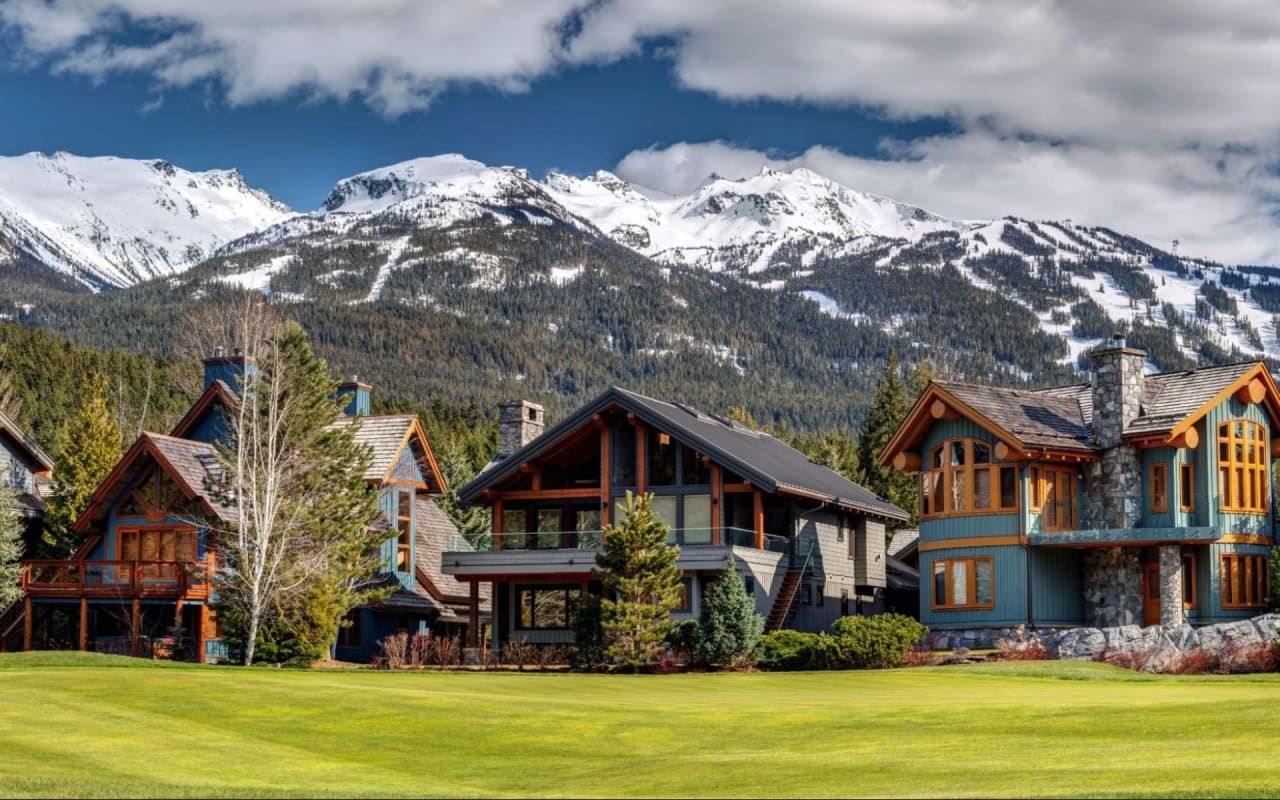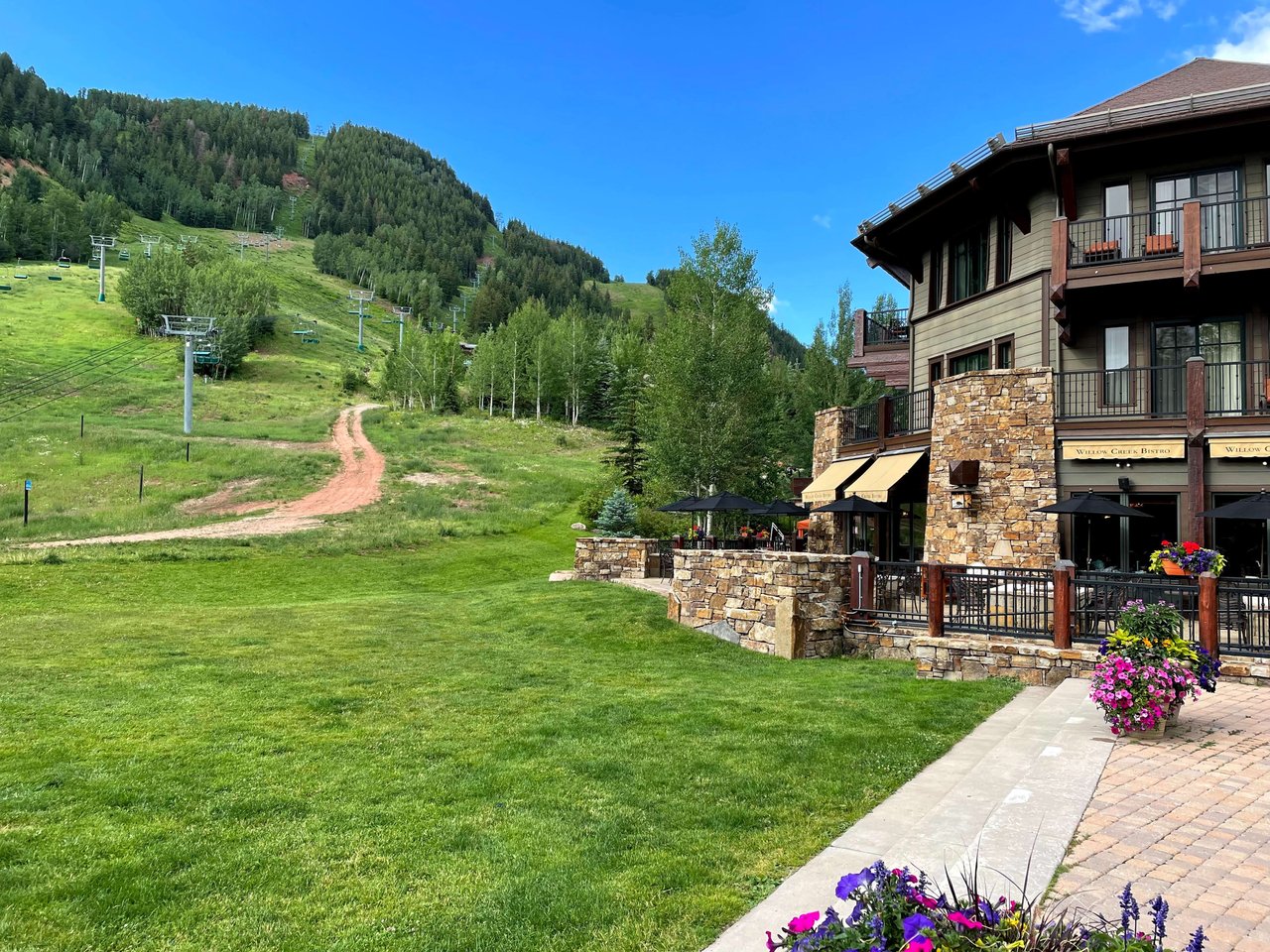

Thinking about renting your Snowmass home for ski weeks or summer festivals? You’re not alone. Short stays can offset carrying costs and keep your place humming when you’re away. The rules are layered though, and a smooth experience starts with knowing which ones apply to your address. In this guide, you’ll get a clear, step‑by‑step view of permits, taxes, HOA rules, operations, and seasonality so you can plan with confidence. Let’s dive in.
Know your jurisdiction
Before you run numbers or craft a listing, confirm where the property sits. Snowmass area rules depend on whether your address is inside the Town of Snowmass Village or in unincorporated Pitkin County. Each has its own permitting, zoning, and enforcement.
If you are inside the town boundary, the municipal code governs your short‑term rental use. If you are outside the boundary, Pitkin County’s rules apply. This single step determines your permit path, taxes, and how complaints or inspections are handled. When in doubt, call the town planning office or the county planning department and verify by parcel number.
Permits and licensing basics
Resort towns typically require a local short‑term rental permit or business license before you advertise or host. Expect to provide an application, designate a 24/7 local contact or manager, and follow safety and occupancy rules. Many towns also require your registration number on every listing.
Permits often tie to proof of tax registration and timely remittance. Noncompliance can bring fines, suspension, or revocation. If an inspection is required, you may need to show smoke and carbon monoxide detectors, fire extinguishers, safe egress, and posted rules for guests.
What to confirm with the town
- Whether a local STR license is required for your address and zoning.
- Application steps, fees, and timeline to issue a license.
- Required safety features and any inspection process.
- Whether your permit number must appear on all listings.
- Renewal rules, grounds for suspension, and complaint response process.
- If permits transfer at sale or must be reissued to a new owner.
Zoning and possible caps
Zoning controls whether short‑term rentals are allowed, restricted to lodging districts, or limited in some residential areas. Some resort communities also use caps or neighborhood quotas to slow new permits or manage density.
Do not rely on what a neighbor is doing. Confirm your parcel’s zoning designation and how the code defines “short‑term rental,” “lodging,” or “transient occupancy.” If caps or moratoria exist, ask if your address is in a limited area and how new permits are prioritized.
How to check zoning quickly
- Look up the official zoning map for your address.
- Read the land‑use code definitions for STR and lodging.
- Ask planning staff to confirm permitted use in writing.
- If you plan changes, verify that construction or layout still meets code.
Taxes you must handle
Short‑term rentals usually trigger state and local taxes. In Colorado, operators typically register to collect and remit state sales tax. Municipalities and counties often add lodging or transient occupancy taxes. Registration with the Colorado Department of Revenue and local tax authorities is commonly required.
You are responsible for accurate collection, filing, and payment schedules. Some platforms collect part of the taxes, but you still need to register and verify what is covered. Keep filings current to protect your license and avoid penalties.
Tax checklist
- Register for state sales tax with Colorado’s Department of Revenue.
- Register for local lodging or sales taxes where the property is located.
- Confirm what, if anything, your platform collects on your behalf.
- Calendar all filing deadlines and keep proof of remittances.
HOA and private rules
Your HOA can be stricter than the town. Covenants, conditions and restrictions may ban STRs outright, set minimum lease lengths, or add operational requirements for guests. These private rules are enforceable even when the municipality allows short stays.
HOAs may require guest registration, limit parking, set quiet hours, or impose fines. They can also update rules by member vote. If you are buying, request current CC&Rs, rental policies, recent meeting minutes, and any notices about enforcement or proposed changes.
Buyer action items
- Get and read the CC&Rs, bylaws, and any rental addenda.
- Ask the HOA for written confirmation of current STR policy.
- Review recent minutes for fines, disputes, or pending amendments.
- Confirm assigned and guest parking rules in writing.
Day‑to‑day operating rules
A solid operations plan keeps your rental compliant and guest‑ready. Many resort towns require a local contact who can respond 24/7. Expect quiet hours, trash and recycling rules, and parking constraints. Mountain markets also have wildlife and weather realities, so bear‑proof containers and snow management are common.
Safety is non‑negotiable. Plan for smoke and carbon monoxide detectors, fire extinguishers, clear exits, posted evacuation notes, and a guest guide covering rules, parking, trash, and contact information. Standard homeowners policies often exclude short‑term rental activity, so verify coverage and consider STR or commercial liability insurance.
Operations setup list
- Designate a reliable local manager or contact.
- Install and test smoke/CO detectors and fire extinguishers.
- Set and post maximum occupancy and quiet hours.
- Arrange bear‑resistant trash and timely snow removal.
- Confirm on‑site parking capacity and guest guidance.
- Secure proper STR insurance coverage.
- Include any required permit number on listings.
Seasonality and revenue planning
Snowmass is seasonal. Peak winter weeks often drive the highest rates and occupancy, especially around holidays and mid‑December through March. Summer brings steady demand from June through August, usually with lower nightly rates. Spring and fall shoulder periods tend to be softer, and midweek bookings can lag outside of events.
Build revenue models that reflect these patterns. Look for comparable occupancy by month, average daily rate, and revenue per available rental. Add realistic operating costs like HOA dues, utilities, management, cleaning, maintenance, insurance, and taxes. Run a breakeven analysis so you know the occupancy and ADR needed to cover costs.
Modeling tips
- Use monthly comps, not annual averages, for accuracy.
- Budget for shoulder‑season discounts and longer vacancy gaps.
- Add a regulatory risk buffer for possible rule changes.
- Test scenarios with higher utility and snow removal expenses.
Buyer due diligence checklist
Before you purchase, lock in documentation and confirmations. This protects your plan and avoids surprises at closing.
- Confirm whether the property is in Snowmass Village or unincorporated Pitkin County.
- If the home has been rented, get copies of permits or business licenses and any compliance letters.
- Ask for proof of tax registration and recent remittances.
- Obtain CC&Rs, rental rules, and recent HOA minutes touching STR policy.
- Request written confirmation from planning staff that STR use is allowed for the zoning.
- Ask for any code enforcement notices, fines, or pending legal actions tied to STR activity.
- Verify parking capacity and any shared parking agreements.
- Confirm utilities, billing, and seasonal shutoff protocols.
- Price out STR or commercial liability insurance.
- Identify a local manager, cleaners, and trade vendors.
- Review booking history, P&L, occupancy and ADR data, and past listings for advertising compliance.
- Confirm whether any existing permit can transfer at sale and how long a new application might take.
Risk, enforcement, and planning ahead
STR policy can change. Mountain towns often adjust rules to protect housing supply and respond to community concerns. New caps or moratoria can appear, and some programs grandfather existing licensed properties while limiting new ones.
Enforcement is often complaint‑driven. Noise, trash, and parking issues can trigger inspections and fines. HOAs can also update rules by member vote, which can affect your strategy. Plan for change and build responsive local management into your approach.
Reduce your risk
- Verify if permits transfer and get it in writing before you rely on it.
- Keep excellent records of guest rules and complaint responses.
- Maintain a proactive relationship with neighbors and your HOA.
- Budget conservatively and expect policy updates over time.
Your next steps
Set yourself up for a smooth, compliant rental program by following a clear path.
- Verify your jurisdiction and zoning for your exact address.
- Speak with the town or county planning and licensing staff about permits, inspections, and timelines.
- Review HOA covenants and minutes, and confirm rules in writing.
- Register tax accounts and confirm what your platform collects.
- Line up a local manager, cleaners, and 24/7 response procedures.
- Build a seasonally adjusted financial model with a risk buffer.
- If questions are complex, consult a land‑use attorney or tax advisor.
If you want a local partner who understands both the lifestyle and the rules, reach out to PJ Bory for concierge guidance. You’ll get seasoned, low‑pressure advice tailored to your property goals in Snowmass Village.
FAQs
Do Snowmass STRs need a permit?
- Most resort towns require a local STR license before you advertise or rent; confirm the current rule for your address with the Town of Snowmass Village.
Can my HOA ban short stays?
- Yes, CC&Rs can prohibit or limit STRs even when the town allows them, and HOA rules are enforceable within the community.
What taxes apply to Snowmass STRs?
- Expect state sales tax plus local lodging or sales taxes where applicable; register and remit through the Colorado Department of Revenue and local tax authorities.
How does seasonality affect revenue?
- Winter holiday weeks and mid‑December through March often lead, summer is a secondary peak, and spring and fall shoulders are typically softer.
Do I need a local manager?
- Many resort programs require a local 24/7 contact to handle complaints and emergencies; even if not required, it helps with compliance and guest care.
Will a permit transfer at sale?
- Some programs do not transfer permits, while others may grandfather existing ones; confirm transfer rules with the town or county before you buy.
Are minimum stays required?
- Minimum stay lengths may be set by local code or by your HOA; verify any minimums for your address and community.
What must listings include?
- Many jurisdictions require your permit or registration number and maximum occupancy on listings; check the advertising rules that apply to your property.