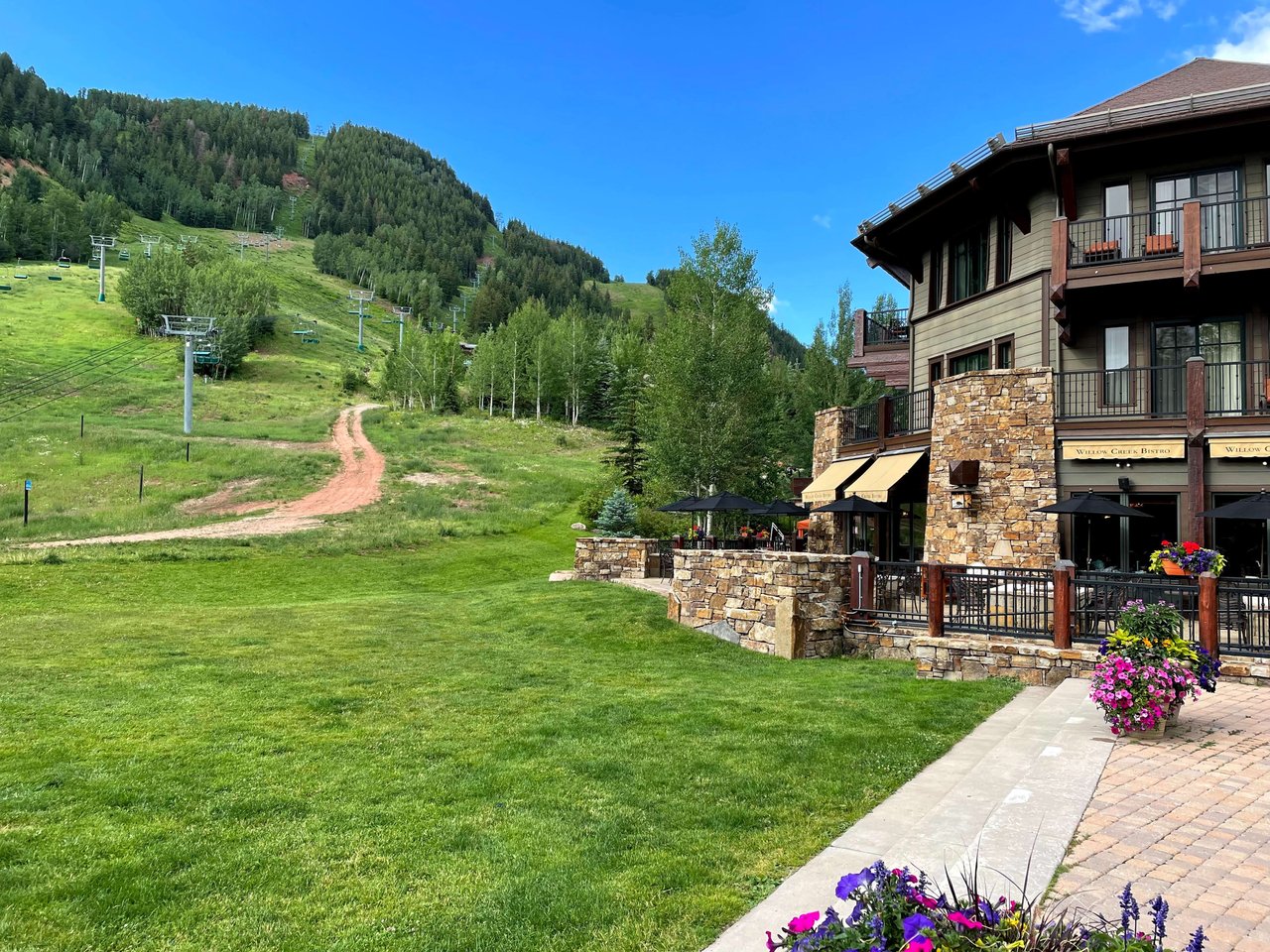

Buying a home in Aspen or Snowmass Village from another state or country does not have to feel risky. With the right plan, you can tour, offer, inspect, and close from anywhere while staying fully informed. This guide breaks down each step, the local rules to confirm, and the logistics that matter most in a luxury resort market. Let’s dive in.
Why Aspen and Snowmass are unique
Aspen and Snowmass Village share a high-end resort market with many second homes, cash buyers, and strong demand. That mix shapes how you prepare and compete. Sellers often look for clear proof of funds or a solid pre-approval, and jumbo financing is common.
If you plan to rent the property, short-term rental rules vary by town and change over time. Review current guidance with the Town of Aspen and the Town of Snowmass Village, and confirm property records and tax details with Pitkin County. Your agent should help you read HOA rules, restrictions, and any pending assessments.
Your remote buying timeline
Step 0: Prepare like a local
Get pre-approved with a lender that understands resort and jumbo loans or assemble proof of funds if you plan to pay cash. Interview a local, concierge-style buyer’s agent who regularly closes remote deals and can coordinate vendors. Align on your priorities such as ski access, views, HOA amenities, privacy, or rental potential.
Use your agent’s knowledge to narrow specific areas in Aspen and Snowmass Village before you start touring virtually. Agree on how you will communicate, share documents, and review media so decisions feel easy.
Step 1: Search and evaluate virtually
Rely on layered media to get a full picture. Review high-resolution photos, floor plans, and 3D tours, then schedule live video walk-throughs. Ask your agent for neighborhood context videos that show street feel, parking, lift proximity, and town access.
Request documents that reveal condition and cost to own. These can include recent utility bills, HOA budgets and minutes, CCRs, special assessments, and any seller disclosures. For best practices on virtual showings and digital workflows, look to the National Association of Realtors.
Step 2: Make a strong remote offer
Lead with a clean presentation. Include your pre-approval or proof of funds, a clear timeline, and any flexibility on closing or possession. Confirm that all parties accept e-signatures so contracts move quickly.
Decide how you will deliver earnest money. Title and escrow companies typically accept wires, but you should verify instructions by phone to protect against fraud. Your agent can advise on strategies such as escalation clauses or higher earnest money, balanced against risk and your comfort level.
Step 3: Inspect with remote-friendly tools
Book licensed local inspectors and attend via live video or review a recorded walkthrough. For complex homes, consider specialty inspections for roofing, structural items, chimneys, septic or sewer, HVAC, and any fire-suppression systems.
Your agent should be on site, documenting everything you would look at in person. If issues arise, set clear deadlines to collect contractor estimates so you can negotiate credits or repairs before deadlines expire.
Step 4: Navigate appraisal and valuation
Lenders order the appraisal, and in a luxury ski market, it is helpful to have appraisers who understand unique properties and limited comps. Some lenders may use hybrid or desktop approaches depending on the loan program.
If the appraisal comes in low, you can renegotiate, add cash to close, or explore bridge funds. The Appraisal Institute offers general guidance on appraisal methods used in remote transactions.
Step 5: Title, HOA, and remote closing
Review the title commitment with your agent. Pay attention to easements, exceptions, and the type of title insurance offered. Request the full HOA resale packet early to understand budgets, rules, and any pending special assessments or rental limits.
Colorado supports electronic signatures, and many transactions close remotely through a title company. Some deals use mail-away packages, mobile notaries, or remote online notarization depending on the title company and lender. For statewide guidance, see the Colorado Division of Real Estate. For closing mechanics and wire-safety best practices, consult the American Land Title Association.
Before closing, confirm how funds are delivered and how keys, garage openers, or access codes will be transferred to you or a property manager. Your agent can also coordinate a final remote walk-through before funds are released.
Step 6: Move-in, furnishing, and property management
Local vendors can furnish a home turnkey. Agree on style, budget, and approvals, then review selections via photos or video. Plan utility activations and seasonal services, such as winterization and snow removal.
If you will not be here full-time or plan to rent, hire a reputable local property manager or concierge service. They can handle cleaning, maintenance, guest relations, and compliance if short-term rentals are allowed. Confirm licensing and tax remittance requirements with the Town of Aspen or the Town of Snowmass Village and align your operations with HOA rules.
Key local rules to confirm
Do not assume a property can be rented. Short-term rental rules and tax obligations differ by municipality and can change. Check with the Town of Aspen and the Town of Snowmass Village for the latest.
If the home is part of an HOA, read CCRs and meeting minutes to confirm rental policies, renovation guidelines, pet rules, and insurance requirements. Verify deed restrictions, property tax history, and recorded covenants with Pitkin County.
How remote closings work in Colorado
Most contracts are signed electronically. Your title company can coordinate a mail-away package, mobile notary, or remote online notarization, depending on lender requirements and local practice. Ask early which method applies to your loan and how long it will take.
Always confirm wiring instructions by calling your escrow officer using a phone number you sourced independently. The American Land Title Association outlines safe wire practices that reduce your risk of fraud. For rules and licensing oversight, refer to the Colorado Division of Real Estate.
Protect your purchase
- Use layered media for touring, and rely on a full in-person inspection by a qualified local inspector. The National Association of Realtors offers remote transaction best practices.
- Verify HOA rules and special assessments as part of your financial plan.
- Discuss appraisal strategy with your lender. The Appraisal Institute explains approaches that lenders may use in remote or complex scenarios.
- Follow ALTA’s guidelines to avoid wire fraud during earnest-money and closing transfers.
After closing: smooth handoff and setup
Plan the key exchange and any lock or code updates with your agent, title company, or property manager. Set up utilities, internet, and smart-home systems for remote monitoring. Create a maintenance plan with local vendors for seasonal checks, snow removal, and emergency contacts.
If you will offer short-term rentals, make licensing and tax registration your first step. Check town websites for current requirements and align your calendar and pricing strategy with local seasons.
Work with a concierge local partner
A seamless remote purchase requires strong local coordination and clear communication. You should expect proactive updates, vendor introductions, and a step-by-step plan from contract to key handoff. With 19-plus years in the valley, a concierge approach, and global reach, you get a trusted guide who keeps every detail on track.
If you are ready to outline your remote strategy or preview homes on your shortlist, reach out to PJ Bory. We will tailor a plan to your timeline and make your Aspen or Snowmass purchase feel easy.
FAQs
Can you buy a home in Aspen or Snowmass entirely remote?
- Many steps can be completed remotely, though some lenders or title companies may require an in-person notarization or a mobile notary; confirm your closing method early with your team.
How reliable are virtual showings for Aspen or Snowmass homes?
- Virtual tours are great for layout and context, but you should still arrange an in-person inspection by a qualified local inspector and attend via live video or review a detailed recording.
What should you know about short-term rental rules in Aspen and Snowmass Village?
- Rules and taxes change, so verify current licensing and registration requirements with the Town of Aspen and the Town of Snowmass Village and confirm any HOA limits.
How do appraisals work for luxury ski properties when buying remote?
- Appraisers who understand unique luxury assets and limited comps are important, and lenders may consider hybrid or desktop methods; see the Appraisal Institute for general guidance.
What is the safest way to wire earnest money and closing funds?
- Call your escrow officer using a known phone number to verify wiring instructions and follow the American Land Title Association best practices to avoid fraud.
When should you schedule inspections and move-in for Aspen and Snowmass?
- Seasonal patterns affect access and vendor availability, so plan inspections and deliveries with buffer time around peak ski season, summer events, and shoulder-season transitions.
Who handles keys and access codes if you close from afar?
- Coordinate with your agent and title company for key transfer and arrange for a property manager or concierge service to rekey locks and set new access codes right after closing.