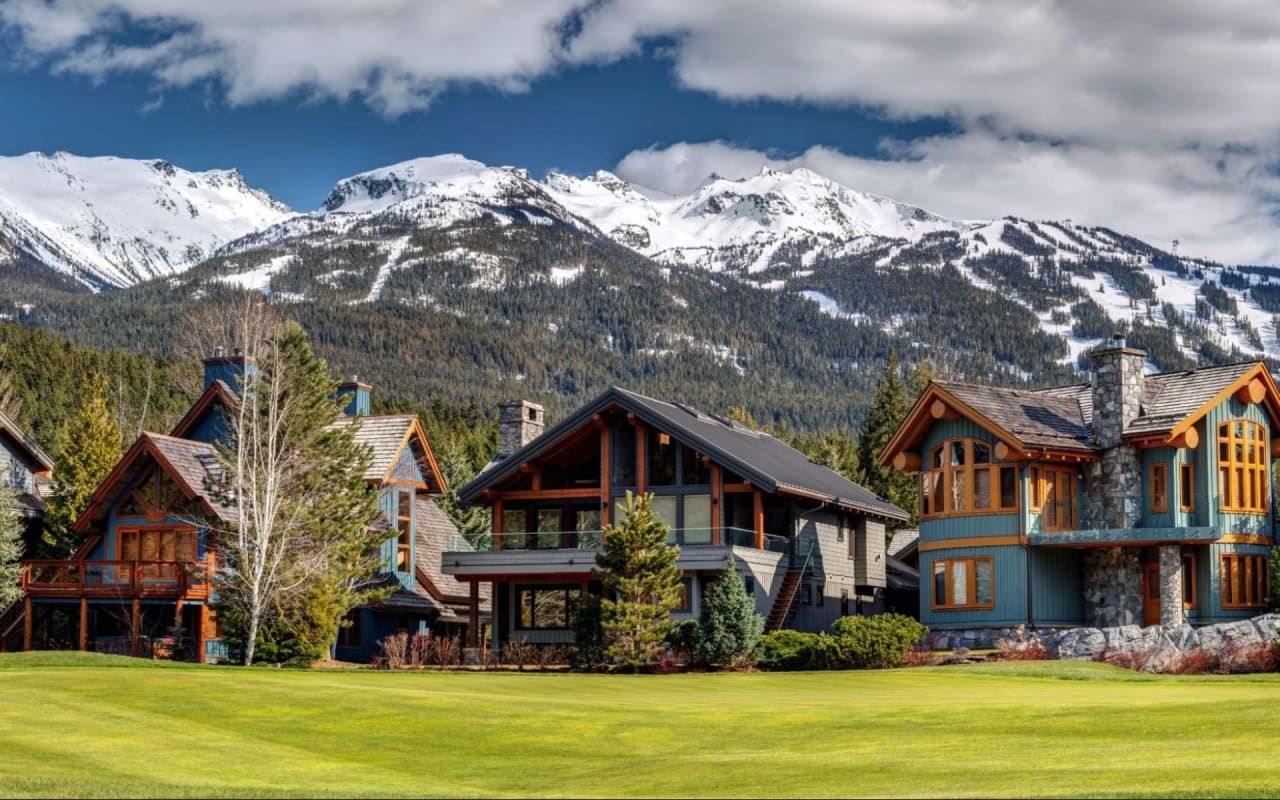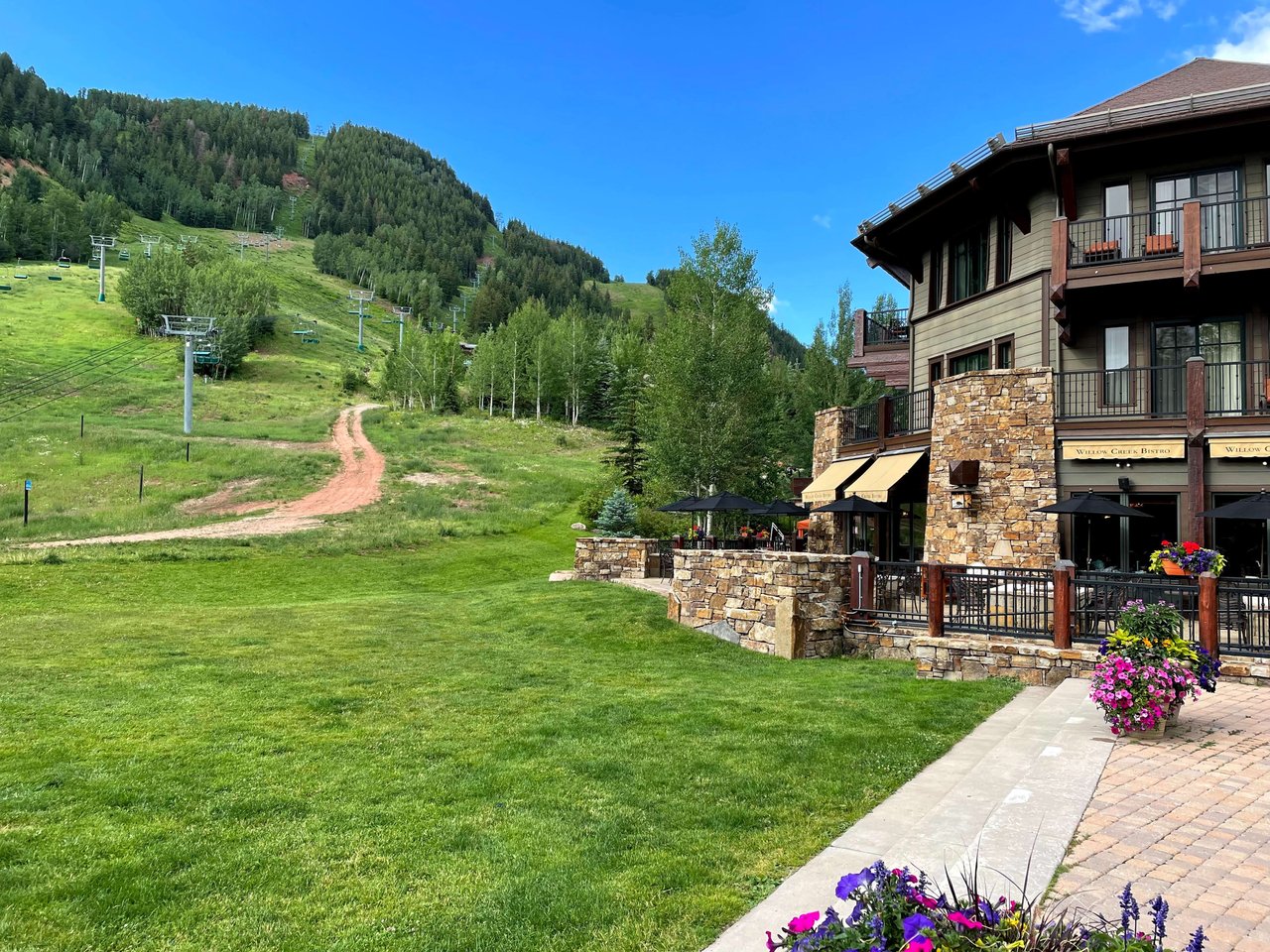

If you own a second home in Snowmass Village, your rental strategy can make the difference between a property that quietly covers costs and one that performs like a true luxury asset. This is not a market where basic vacation-rental playbooks are enough. You need to plan around seasonality, guest expectations, local rules, and the realities of managing a high-end home from a distance. Let’s dive in.
Why Snowmass Village Fits Luxury Rentals
Snowmass Village is built for seasonal travel, which is a major advantage for second-home owners who want to rent strategically. Official tourism information notes that about 95% of lodging is slopeside, Aspen/Pitkin County Airport is roughly 6.5 miles away, and free shuttles connect Snowmass and Aspen. That level of access helps support strong visitor demand in both winter and summer.
The demand calendar is also clear. Ski season typically runs from Thanksgiving through mid-April, while summer activity is strongest from June through September, with fall biking and foliage extending into October. For you as an owner, that means the best rental strategy starts with aligning your calendar to these high-interest travel windows.
Market data supports that opportunity. AirDNA reports 1,279 active short-term rental listings in Snowmass Village, with estimated annual revenue of $85.3K, average occupancy of 51%, and an average daily rate of about $1.2K. Just as important, 99% of listings are entire homes, which tells you this is a privacy-driven, whole-home market where presentation and operations matter.
Start With a Revenue-First Calendar
For most second-home owners, the calendar is the strategy. Because Snowmass demand is concentrated in winter and summer rather than spread evenly across the year, it helps to reserve personal-use dates early and protect the strongest booking windows before the season fills in.
The highest-value periods are generally ski holidays, core winter ski weeks, and the June-through-September summer stretch. Shoulder periods like April, May, and late fall can be better choices for owner stays if your goal is to preserve top revenue dates. That approach is not a formal rule, but it follows the market’s seasonal pattern.
Nearby Aspen data helps illustrate the same pricing rhythm. Historical monthly occupancy and rate trends show stronger performance in January, February, March, July, and August, with softer spring and shoulder periods. Winter average daily rates topped $1,000 in January and February 2025, while August came in lower at $839, showing how much timing affects earnings.
Adjust Pricing to Match the Season
In Snowmass Village, static pricing usually leaves money on the table. A better approach is to protect premium periods first, then adjust rates, minimum stays, and stay incentives based on demand shifts throughout the year.
During peak winter and summer dates, your focus should be on rate integrity. In softer periods, the goal shifts toward reducing booking friction without undercutting the home’s luxury positioning. That may mean refining minimum-night requirements, tightening the booking calendar, or offering thoughtful value-adds instead of broad discounts.
This matters because even strong resort markets fluctuate. Snowmass Tourism’s January 2026 monthly research report showed lodging occupancy at 68.5%, with room revenue down 3.2% year over year. That is a useful reminder that you should manage the property like a business, not assume demand alone will carry performance.
Position Your Home for Luxury Guests
Luxury guests in Snowmass are not comparing your home to an average vacation rental. They are comparing it to a polished resort experience. Basic amenities like internet, a kitchen, heating, and TV are already standard across most listings, so those features do not do much to set your property apart.
What does matter is ease. In this market, convenience often carries as much value as interior finishes. The homes that stand out are the ones that reduce friction before arrival, during the stay, and at departure.
Features That Strengthen Luxury Appeal
If you want stronger bookings and better guest fit, focus on features and services that support a smooth mountain stay:
- Ski-in/ski-out access or quick shuttle access
- Parking that is simple and clearly explained
- Ski storage or lockers
- Snow removal and winter-ready access
- Fireplaces, hot tubs, or pool access
- Full kitchens and in-home laundry
- Straightforward arrival logistics
- Concierge-style support or local assistance
Official Snowmass lodging materials consistently highlight amenities like gondola access in Base Village, fireplaces, washer and dryer setups, full kitchens, ski storage, airport transportation, and front desk or concierge services in some properties. That tells you something important: in Snowmass Village, luxury is often defined by how effortless the stay feels.
Use a Multi-Platform Marketing Approach
In Snowmass Village, broad distribution is normal. AirDNA reports that 76% of listings appear on both Airbnb and Vrbo, which suggests that relying on a single booking channel may limit visibility.
That does not mean every listing should look the same across every platform. It means your marketing should be consistent, accurate, and tailored to attract the right renter for the property. Strong photography, a clear amenity story, and honest positioning matter more in a high-end market than generic promotional language.
For second-home owners, this is also where professional oversight can help. Coordinating calendars, pricing, guest communication, housekeeping flow, and listing quality across platforms is an operational job, not just a marketing task.
Know the Snowmass Village STR Rules
Revenue only matters if your rental operation is compliant. Snowmass Village requires both a business license and a short-term rental permit before a dwelling can be offered as a short-term rental. The town states that the permit fee is $400 effective January 1, 2026, and permits renew on a unified April 30 schedule.
The town also requires a designated local owner representative who is available 24/7/365 and can respond within 60 minutes. Owners must also address insurance, HOA compliance, a self-compliance affidavit, and Good Neighbor Guidelines. If ownership is held through an LLC, corporation, partnership, or trust, a notarized Statement of Authority is required.
These rules are especially important for absentee owners. If you live outside the valley, local response coverage is not optional. It is part of how the property stays operational and protected.
Rules That Can Directly Affect Income
Some local requirements have a direct impact on booking strategy:
- Single-family homes and duplexes fall under Permit Type 4
- Permit Type 4 properties must observe a four-night minimum stay
- Certain permit types must display permit numbers in advertisements and inside the property
- Parking, occupancy, noise, wildlife, and tax violations can trigger enforcement
Snowmass Village can escalate repeated issues quickly. Major violations may lead to loss of the short-term rental permit and business license for up to two or five years, while repeated minor violations can become major ones. That is why house rules, guest communication, and local oversight are part of revenue protection, not separate from it.
Build Taxes and Compliance Into Operations
Snowmass Village makes this point very clearly: compliance starts before you advertise. The town says a business license is required before conducting short-term rental business, and owners must handle tax remittance through the town’s online system.
The current town tax guidance lists a 10.4% sales tax and a 12.8% lodging tax. The town also states that owners must collect and remit taxes themselves rather than assuming platforms like Airbnb or Vrbo will do it for them. If you own from afar, this is one of the easiest places for a casual setup to become a costly problem.
A strong rental strategy should account for taxes, permit timing, and filing processes from day one. In a market like Snowmass Village, clean operations support both guest experience and long-term asset protection.
Balance Personal Use With Rental Goals
One of the biggest mistakes second-home owners make is waiting too long to choose between personal use and income. In Snowmass Village, that tension is manageable if you plan early and use the demand calendar to your advantage.
If your priority is maximizing revenue, reserve your family dates in shoulder periods when possible. If your priority is lifestyle first, you can still rent successfully, but your expectations should reflect the fact that the most valuable dates are often the exact weeks owners want for themselves. Clear priorities lead to better decisions.
This is also a good place to remember that Aspen, Snowmass Village, and Pitkin County are not regulated identically. Pitkin County’s short-term rental program applies to unincorporated county property, so owners should not assume that rules discussed across the broader Aspen area apply the same way inside Snowmass Village. For Snowmass homes, use Snowmass Village rules as your operating guide.
Treat Management as Part of the Asset
For absentee owners, luxury rental success is rarely just about the home itself. It is about how well the property is managed on the ground. Fast local response, dependable maintenance, clear guest rules, and polished turnover standards all influence reviews, repeat bookings, and enforcement risk.
That matters in Snowmass Village because the town treats renting without a permit, providing false information, and failing to remit taxes as major violations. Repeated parking or occupancy issues can also create serious exposure. In practice, that means professional management is not only about convenience. It is part of preserving your income stream and protecting the property.
If you own a second home in Snowmass Village, the strongest strategy is usually the one that blends thoughtful owner use, premium guest positioning, disciplined compliance, and polished local execution. If you want help evaluating how your property fits the Snowmass rental market or how to position it for seasonal demand, connect with PJ Bory for tailored guidance grounded in the Aspen-Snowmass market.
FAQs
What makes Snowmass Village attractive for luxury rental income?
- Snowmass Village benefits from strong seasonal tourism, mostly slopeside lodging, close airport access, free shuttle connections to Aspen, and a market centered on whole-home stays with high average daily rates.
What is the best rental timing for a Snowmass Village second home?
- The strongest rental windows are typically winter ski season and the summer peak from June through September, while shoulder periods may work better for personal use if you want to preserve higher-revenue dates.
What short-term rental permit rules apply in Snowmass Village?
- Snowmass Village requires a business license and a short-term rental permit before offering a dwelling as a short-term rental, along with a local representative available around the clock and compliance with town operating requirements.
What minimum stay rules apply to Snowmass Village single-family homes?
- Under Snowmass Village rules, single-family homes and duplexes classified as Permit Type 4 must follow a four-night minimum stay.
What amenities matter most to luxury renters in Snowmass Village?
- Beyond basic features, luxury renters often value easy ski access, shuttle convenience, parking, ski storage, fireplaces, hot tubs or pools, full kitchens, laundry, and smooth arrival and support during the stay.
What taxes do Snowmass Village short-term rental owners need to plan for?
- Snowmass Village tax guidance lists a 10.4% sales tax and a 12.8% lodging tax, and owners are responsible for collecting and remitting those taxes through the town’s system.