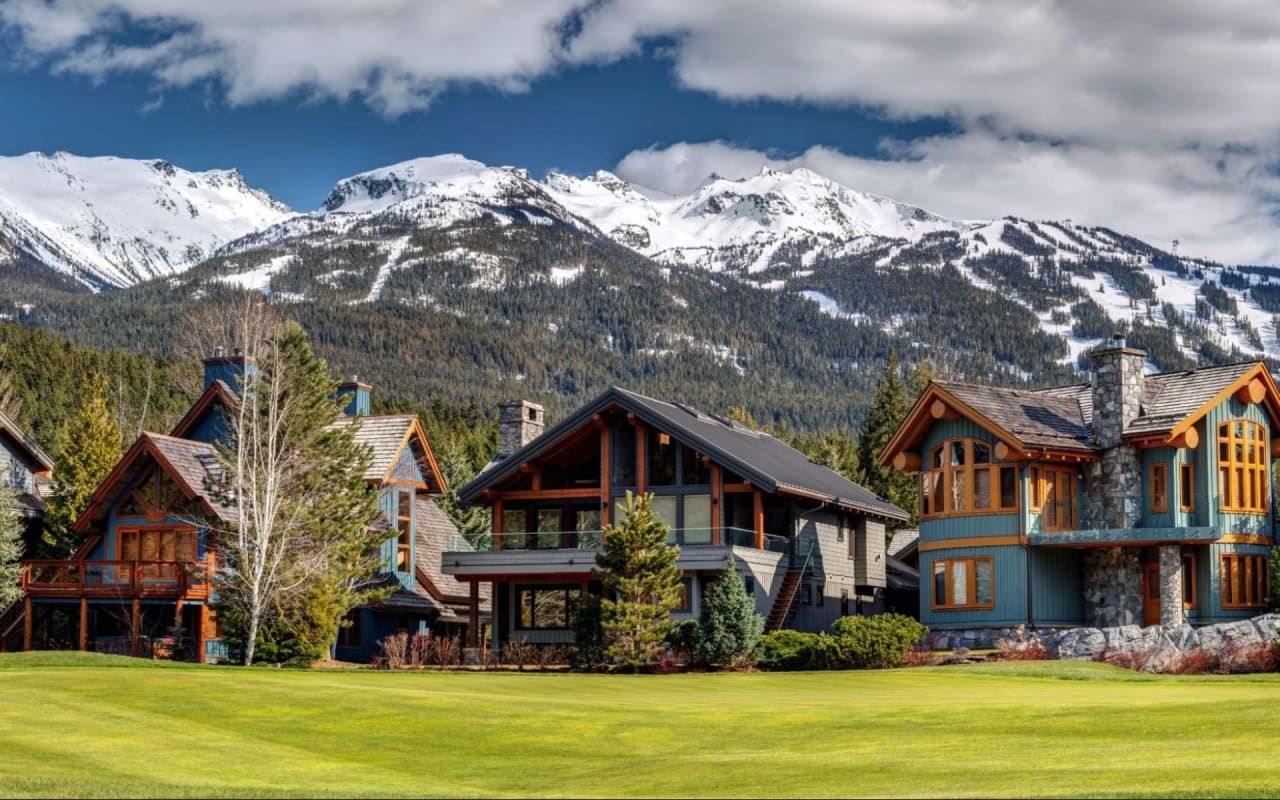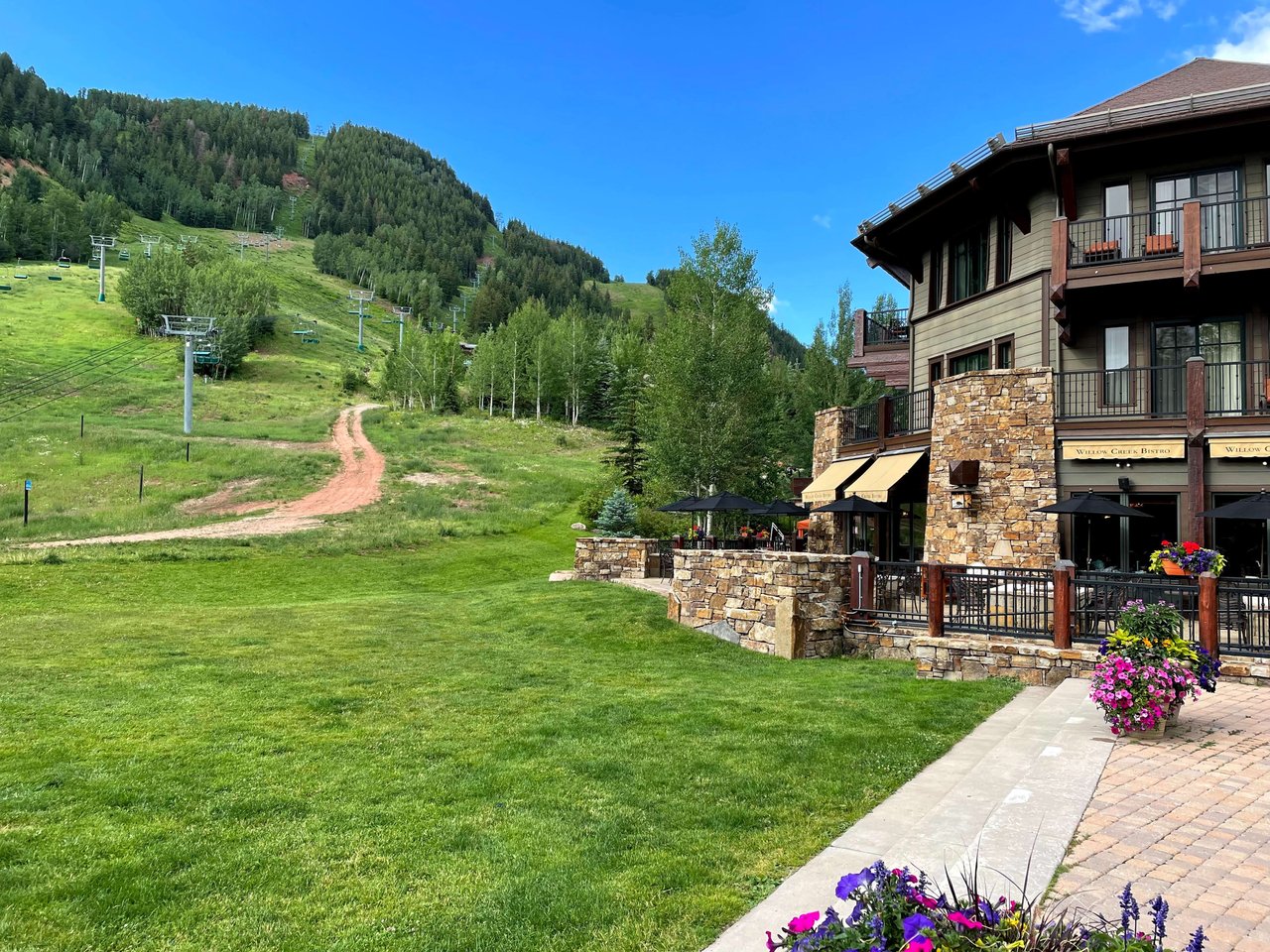

What if your morning started with a short stroll to the Aspen Mountain gondola and finished with dinner steps from home? If you want world-class skiing, dining, and services within a few blocks, Aspen’s walkable condo scene around the gondola delivers. You care about lifestyle and convenience, but you also want to make a smart purchase. This guide breaks down what “near the gondola” really means, the tradeoffs to weigh, and how to evaluate buildings, HOAs, parking, and rentals with confidence. Let’s dive in.
The appeal of gondola living
Living near the gondola puts you within about 2 to 10 minutes on foot of the base in Aspen’s compact downtown core. That short walk is a daily luxury in winter and a year-round advantage for hiking, scenic rides, and events when the gondola operates in summer. Many owners keep the car parked more often thanks to sidewalks, short blocks, and a dense mix of restaurants, galleries, services, and transit right outside the door.
In winter, you can head straight to first chair without a drive to a base area. In summer and fall, quick gondola access makes spontaneous mountain time easy. For many buyers, this is the single most important amenity.
What walkable means here
Aspen’s core is built for pedestrians. Short blocks, crosswalks, and relatively low vehicle speeds support an easy walking experience. That said, winter conditions can make sidewalks icy or slushy, so it pays to confirm routes and surfaces during ski season.
To verify distances, check address-level walking times and routes and consider a site visit in both winter and during major events. Perceived walkability can change with snow clearing, crowd levels, and whether a route includes stairs or steeper grades.
Everyday perks on your doorstep
- Direct mountain access in minutes for skiing, hiking, and scenic rides.
- A high concentration of restaurants, cafés, and après spots within a few blocks.
- Essential services like small markets, pharmacies, dry cleaning, banks, fitness studios, and transit stops nearby.
- Many buildings offer concierge, on-site management, ski and boot storage, and hotel-adjacent amenities that keep your lifestyle low maintenance.
Tradeoffs to weigh
Living close to the gondola comes with a few realities:
- Expect more pedestrian activity and noise during peak ski season and major events.
- Guest parking is often limited and may rely on municipal garages or short-term meters.
- Private outdoor space can be modest compared with residential neighborhoods.
- Proximity and services typically command premium pricing.
HOA, parking, and upkeep
HOA essentials to review
HOAs in the core range from modest to full-service luxury. To understand value and risk, request and review:
- CC&Rs, bylaws, and rules, including guest use and noise policies.
- Current budget and monthly fees, with a line-item breakdown of what is included, such as heat, hot water, trash, cable, insurance, and reserves.
- The most recent reserve study to gauge deferred maintenance and assessment risk.
- Minutes from recent board meetings for insight on special assessments, litigation, and vendor contracts.
- Pet policies, smoking rules, and any commercial use restrictions.
Parking realities downtown
Deeded parking is limited in many historic buildings. Some condos include one space, while others have none. On-site guest parking is often constrained, and owners commonly rely on public garages or municipal lots. Be sure to confirm:
- Deeded space and storage allocations in public records.
- Guest parking options and costs.
- City permit programs and garage availability for your use pattern.
- Winter needs like snow clearance and whether covered parking is available.
Maintenance and winterization
Condo associations typically handle common area snow and ice removal, but unit-level responsibilities can vary. For part-time or absentee use, confirm:
- Heating system type, age, and whether utilities are included in HOA fees.
- Procedures for periodic unit checks, freeze protection, and emergency access.
- Any balcony or entry maintenance required by the owner.
Insurance and liability basics
Clarify what the HOA master policy covers versus your personal condo policy. In mountain towns, consider endorsements for water damage or similar risks based on building systems and history.
Rentals and rules
Aspen has strict short-term rental rules and licensing requirements that evolve over time. Some buildings restrict or prohibit short-term rentals. If you plan to rent when you are not using the condo, verify both municipal regulations and your HOA’s policies before making assumptions about income. Ask about licensing, tax obligations, approved booking methods, and whether on-site or third-party management is permitted.
Value, liquidity, and financing
Why these condos command a premium
Proximity to the gondola and downtown services is a major value driver. Building quality, concierge-level amenities, and deeded parking further influence price and resale potential. Views, sun exposure, and outdoor space can also separate top-tier units from the pack.
Liquidity and seasonality
The buyer pool typically includes lifestyle purchasers and second-home owners. Listing activity and buyer interest often peak in late spring and summer and again in autumn. Winter closings may be slower due to travel and seasonality.
Financing considerations
Cash buyers are common at the high end, but conventional financing is available for qualifying projects. Lenders will likely review HOA financials, confirm there is no major litigation, and verify building condition. Some condo projects are more lender-friendly than others, so documentation matters.
How to choose the right condo
On-site checklist for buyers
- Test the walking route to the gondola in winter conditions.
- Visit at peak times to gauge noise, foot traffic, and building orientation.
- Confirm deeded parking and storage; verify in public records when possible.
- Review recent or upcoming capital projects, such as roof, elevator, or facade work.
- Ask for the latest reserve study and any pending assessments.
- Verify rental policies and licensing requirements if income is part of your plan.
- Check for unit entitlement details, occupancy limits, and any easements affecting views or light.
Support for remote and busy buyers
If you are purchasing from out of market, look for a process that includes detailed virtual tours, coordinated HOA document review, introductions to local inspectors and contractors, and clear timelines. A concierge approach helps you make confident decisions without being in town for every step.
Work with a trusted local advisor
Choosing a condo near the gondola is about more than a short walk. It is about how you want to live in Aspen all year, from first tracks in January to sunset hikes in September. If you want seasoned local guidance, clear communication, and a low-pressure experience tailored to your lifestyle, connect with PJ Bory for a private consultation and a curated list of Aspen Core options.
FAQs
How close are Aspen Core condos to the gondola?
- Many downtown condos are about a 2 to 10 minute walk to the base, depending on building location and route. Confirm times in winter and check if routes include stairs or steeper grades.
Do I need a car if I live near the gondola?
- Some residents live car-light thanks to walkability, shuttles, and services nearby. Many owners still keep a vehicle for trips outside the core and family logistics, so parking access is important.
Are downtown condos noisy during peak season and events?
- Noise and activity increase during ski season and major events. Street and building orientation matter, so visit at representative times and ask for any sound history or rules enforcement records.
Can I short-term rent my Aspen Core condo?
- Possibly, but both City of Aspen rules and HOA policies apply. Confirm licensing, tax obligations, and whether your building allows nightly rentals before assuming income.
What should I review in HOA documents?
- Request CC&Rs, bylaws, rules, current budget and fee breakdown, reserve study, and recent meeting minutes. Ask about pending assessments, pet policies, and any commercial or smoking restrictions.
How does guest parking work in downtown buildings?
- Guest parking is often limited. Many owners use municipal garages or short-term options. Clarify guest policies, costs, and any permit requirements before closing.