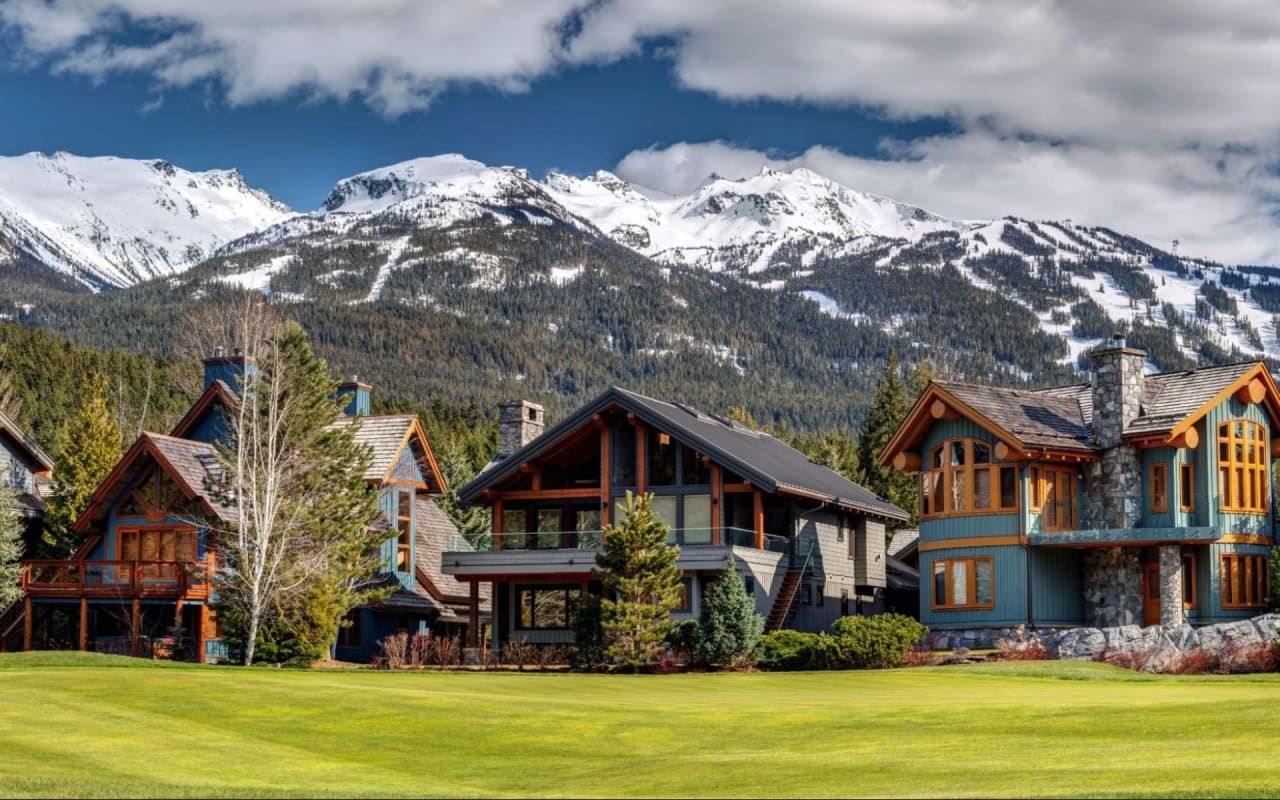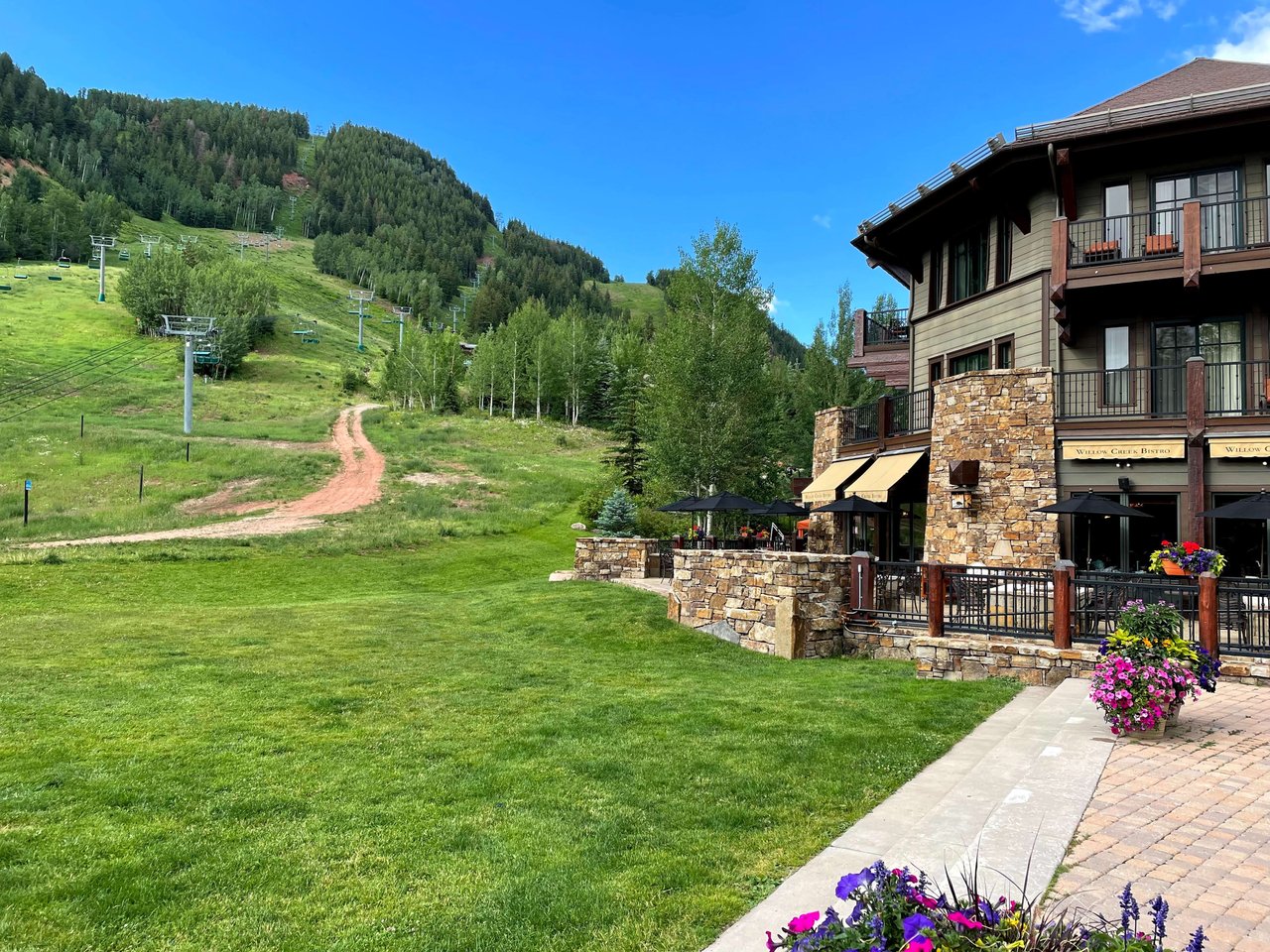

What if your morning commute was a gentle glide to the lift with a coffee in hand and no line in sight? If you’re weighing a second home or relocation to the Aspen–Snowmass area, slopeside living in Snowmass Village offers that rare mix of pure convenience and four-season mountain life. You want the real picture though, from daily rhythms and family logistics to neighborhood tradeoffs and ownership costs. This guide walks you through what life actually looks like when your front door meets the mountain—winter and summer, from Base Village to Woodrun. Let’s dive in.
Why Snowmass for slopeside life
Snowmass Village sits in the Brush Creek valley just west of Aspen and anchors the largest of the four Aspen/Snowmass mountains. Snowmass Mountain offers roughly 3,300+ skiable acres, a base around 8,104 feet, a summit near 12,510 feet, a 4,406-foot vertical drop, and about 300 inches of typical annual snowfall. You can confirm those big-mountain stats on the Snowmass ski area overview, which is why the terrain feels so expansive for every level of skier and rider (Snowmass ski area overview).
Getting here is straightforward. Aspen/Pitkin County Airport (ASE) sits about 6 to 8 miles from Snowmass Village, and gate-to-village travel often takes 10 to 30 minutes depending on conditions. Official village maps and travel pages also detail easy connections between Snowmass and Aspen, including hotel shuttles and regional bus service (Snowmass maps and travel).
A winter day from your door
Two-minute gear-up
Slopeside life shines when the day starts. Many condo and townhome buildings around Base Village and the Woodrun area include ski lockers, gear rooms, or direct skiways to the mountain. Owners often describe a 2 to 5 minute walk or true ski-out to lifts like the Village Express or the Elk Camp Gondola, which is the heart of the convenience you’re buying (Base Village overview and access).
Family-friendly logistics
If you have young children, your morning routine is dialed. The Treehouse Kids’ Adventure Center in Base Village centralizes licensed childcare, equipment rental, and ski school check-in for the littlest skiers. You can drop off at the Treehouse, catch a couple of blue runs, and be back for a mid-morning cocoa without getting in a car (Treehouse and family guide).
Midday and après
A classic day includes a sunny lunch at Elk Camp Restaurant, a few last laps to the base, then a short stroll to the plaza. Base Village après tends to stay relaxed and social, with seasonal ice skating, outdoor fire pits, and a range of restaurants. Snowmass carries a family-forward vibe, while Aspen remains close by for later nights or fine dining when you want it (Base Village happenings).
Summer is just as active
Slopeside addresses in Snowmass are not just for winter. The Elk Camp Gondola runs in summer, giving you easy access to hiking, scenic rides, and the lift-served Snowmass Bike Park. Families weave in the Lost Forest attractions—including the Breathtaker Alpine Coaster and ropes courses—so your front-row mountain access pays off all season. It is common to see a morning ride up the gondola, a singletrack descent, then a swim and grill on the deck before sunset (Snowmass Bike Park, Lost Forest coaster).
Neighborhood pockets to know
Base Village
This is the new, walkable core with hotels, restaurants, shops, an ice rink in season, and several modern residential buildings marketed as ski-in/ski-out. It is the most amenity-dense and contemporary pocket, with concierge services and lively public plazas. If you want an easy lock-and-leave home with full-service convenience, Base Village is a strong fit.
Snowmass Mall and Upper Village
Set above Base Village and linked by the colorful Sky Cab gondola, the Mall area feels a bit quieter at street level. You will still find shops and restaurants, but the experience is more spread out with fewer crowds. It suits owners who want quick access to the action without living on the busiest plaza.
Woodrun and Fanny Hill corridor
Long-standing slope-side condo complexes like Woodrun and Top of the Village line Fanny Hill with genuine ski-in/ski-out access to the Village lifts. Many include on-site management, pools, hot tubs, and practical storage that make travel days simple. These are perennial favorites for families who prize front-door skiing and solid amenities (Woodrun and Fanny Hill access).
Single-family neighborhoods
Areas like Fox Run, Horse Ranch, Melton Ranch, and the Divide lean residential and private, with larger lots and detached homes. Some offer limited ski access or quick drives to the lifts, while many emphasize views, space, and quiet. If you value garages, yards, and separation, these pockets are worth a look.
Tradeoffs to weigh
- Proximity vs privacy. The closest slopefront units are often compact condos with higher HOA dues that fund amenities and staffing. Single-family homes trade immediate ski frontage for more space and independence.
- Energy vs calm. Plaza activity brings buzz and community events that many love. If you prefer quiet evenings, look at Mall-area or neighborhood addresses set back from the main plaza.
Everyday services and logistics
Getting around
Many owners live a one-car or no-car lifestyle, especially in winter. The town shuttle system and the RFTA Four Mountain Connector offer free, high-frequency service between Snowmass, Aspen, and the other mountains in season. This makes it easy to leave a car in the garage and skip winter parking altogether (RFTA Four Mountain Connector).
Groceries and provisioning
Clark’s Market in town covers daily grocery needs, and many slopeside buildings or local managers can assist with grocery delivery, housekeeping, and seasonal setup. For specialty items, some owners hop into Aspen or place delivery orders. If you prefer hands-off operation, seek buildings with robust concierge or on-site management.
Health and safety
Snowmass Village has a walk-in clinic operated by Aspen Valley Health for primary and urgent outpatient care, with back-up to Aspen emergency services. This is a helpful resource for families and anyone planning longer stays (Snowmass Village Clinic).
Parking and winter systems
If you do drive, note the value of heated garages, snow-melted driveways, and proactive building maintenance. Good heating and humidification systems are worth attention in inspections. Reliable local vendors and property managers are part of the support ecosystem for absentee owners.
Costs, taxes, and rental rules
HOA models and carrying costs
Full-service Base Village buildings typically offer concierge, pools, fitness, ski valet, and front desk staffing, which pushes HOA budgets higher. Older complexes and single-family neighborhoods may have lower recurring dues, but owners handle more of the day-to-day like private snow removal or driveway care. Expect to budget for HOA, property tax, insurance, and utilities, and review current HOA line items before you write an offer.
Property taxes and transfer
Pitkin County property taxes are often described as comparatively modest as an effective rate, with many references citing figures below 0.3 percent of assessed value. Your actual bill depends on district mill levies and assessed values, so verify current numbers with county and municipal pages. The Town of Snowmass Village also collects a real estate transfer tax at closing, which buyers should factor into total costs.
Short-term rental permits
If you plan to rent your home, Snowmass has a defined short-term rental permit system with specific permit types and fees. Rules were updated in recent years and include a posted 2026 permit fee update, so confirm eligibility, current fees, and whether any existing permit transfers with the property. STR eligibility can materially change your ownership math (Snowmass STR regulations).
Buyer checklist for slopeside homes
- Verify true ski access. Ask the listing agent to name the exact skiway or run that serves the property and which lift it connects to, such as Fanny Hill to Village Express or access toward Elk Camp. Confirm whether access is practical early and late season.
- Match amenities to your lifestyle. Decide if you want on-site management, ski valet, a fitness center, or a year-round front desk. Full-service means fewer logistics and typically higher dues.
- Plan parking and systems. Look for underground parking, snow-melted drives, and well-maintained mechanicals, including heating and humidification suited for high altitude.
- Budget comprehensively. Include HOA dues, property tax, insurance, utilities, transfer tax at closing, and any local lodging or sales taxes if you rent.
- Check STR viability. Review permit rules, caps, and fees for the building or neighborhood you’re targeting. Confirm what is allowed today, not last year.
- Test the transit network. Ride the town shuttle and RFTA routes during a showing to see how easily you can move without a car.
Is a slopeside address right for you?
If you want front-door access to world-class terrain, a family-forward base area, and a summer calendar that stays active, Snowmass slopeside living delivers. The daily ease is real: faster starts, simpler kid logistics, and a village that remains social without the hassle of driving. Your choice comes down to the balance you prefer between plaza energy, true ski-in/ski-out convenience, square footage, and HOA services. With the right fit, your home becomes the effortless base camp for every season.
When you are ready to explore the best slopeside options, reach out to PJ Bory for tailored guidance, on-the-ground insight, and a low-pressure path to your Snowmass home.
FAQs
What is winter like from a slopeside home in Snowmass Village?
- Most days start with a short walk or ski-out to lifts like Village Express or the Elk Camp Gondola, quick drop-offs at the Treehouse for kids, and relaxed après in Base Village with skating and dining close by.
How easy is it to live in Snowmass Village without a car?
- Very feasible in season; frequent town shuttles and the free Four Mountain Connector bus link Snowmass, Aspen, and the other mountains, so many owners choose a one-car or no-car lifestyle.
Which Snowmass neighborhoods are truly ski-in/ski-out?
- Base Village buildings, Woodrun, Top of the Village, and much of the Fanny Hill corridor offer direct access; Mall-area homes are close with a quick gondola link, while single-family areas often trade direct slope access for space and privacy.
What ongoing costs should I expect for a slopeside condo?
- Budget for HOA dues that reflect the level of services, plus property tax, insurance, utilities, and the town’s real estate transfer tax at closing; confirm current numbers with HOA documents and municipal pages.
Can I rent out my Snowmass slopeside home short term?
- Yes, where allowed, but you must follow the town’s short-term rental permit system; verify eligibility, fees, and whether any existing permit transfers with the property before you buy.
What makes summer from a slopeside address compelling?
- The Elk Camp Gondola provides quick access to hiking and the Snowmass Bike Park, the Lost Forest offers family attractions like the alpine coaster, and village events keep plazas active for a true four-season lifestyle.