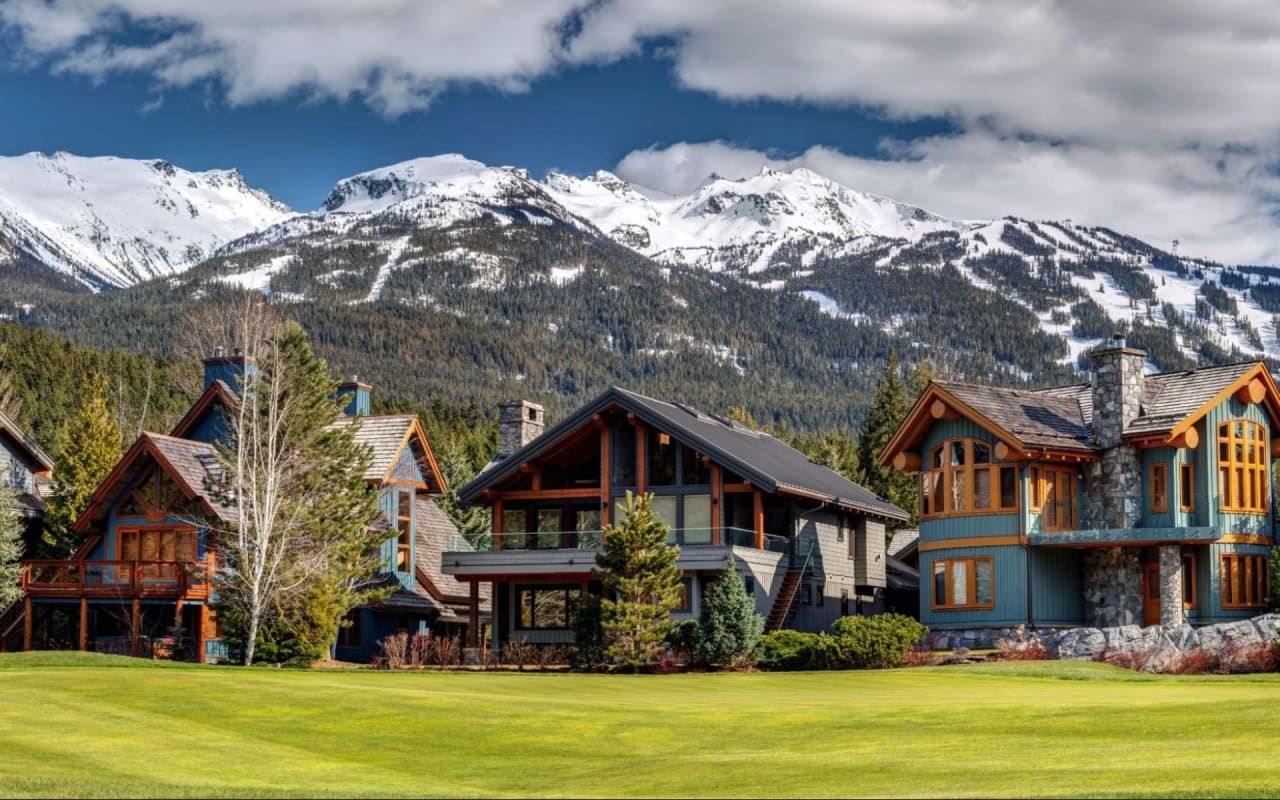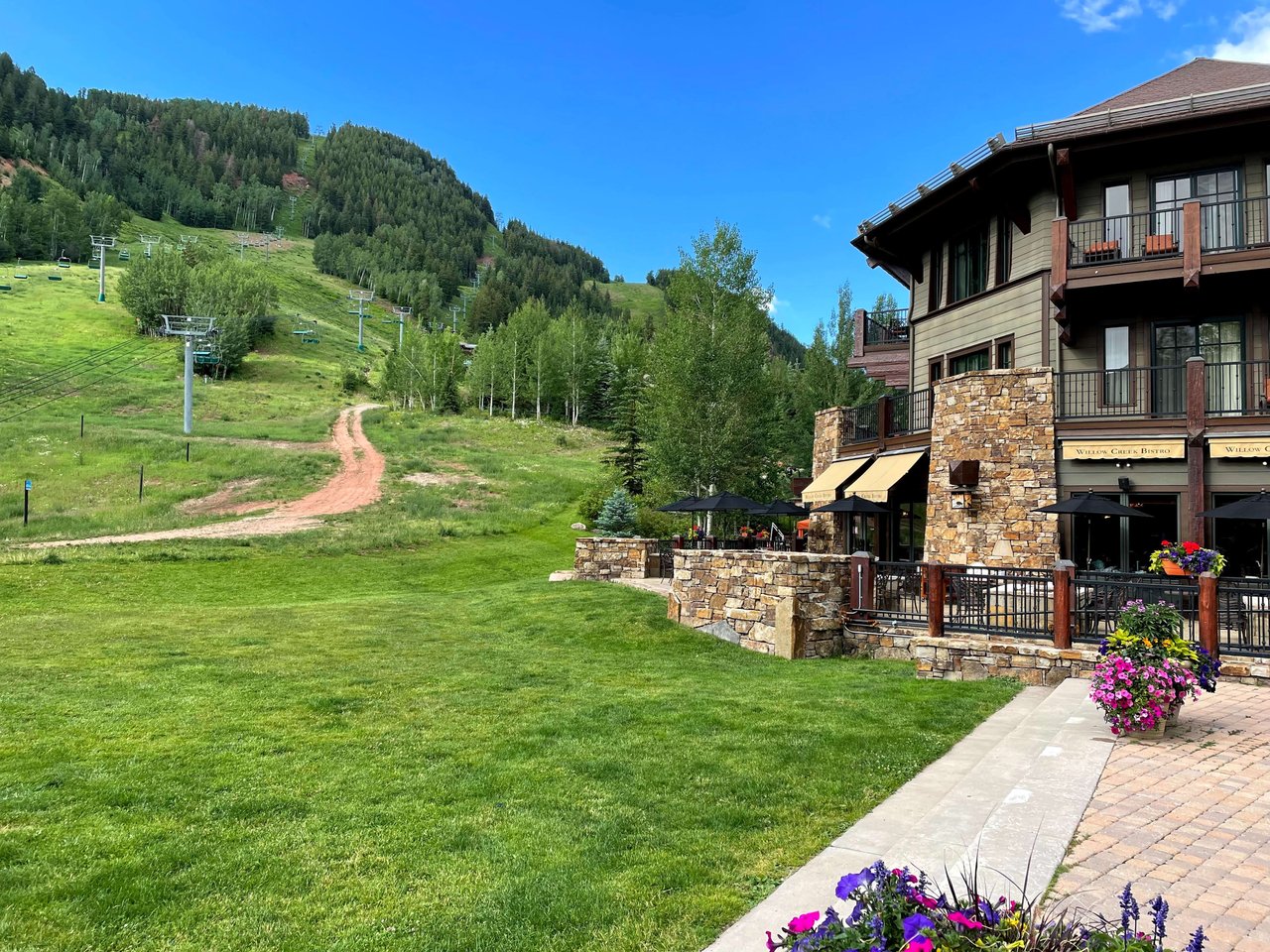

If you are selling a luxury home in Aspen, pricing it well is not about picking a big number and hoping the market agrees. In today’s market, buyers are paying close attention to location, views, walkability, condition, and even what it would take to replace or renovate a property. The good news is that with the right strategy, you can price from a position of strength instead of guesswork. Let’s dive in.
Aspen pricing starts with a segmented market
Aspen’s current market is defined more by scarcity and segmentation than by broad averages. According to the Estin Report for H1 2025, Aspen recorded 101 unit sales and $1.367 billion in dollar sales in the first half of 2025, with 23 sales above $20 million. The same report notes that inventory remained well below pre-pandemic levels, with 360 properties for sale, or 44% below H1 2019 inventory.
That matters because a luxury home in Aspen is not competing with every home in town. It is competing with a narrow set of alternatives that appeal to a specific buyer at a specific price point. In other words, your pricing strategy needs to reflect your slice of the market, not the whole market.
Why broad averages can mislead
A citywide median can be useful for headlines, but it is not enough to price a high-end property. The H1 2025 Estin data showed a median sold price of $18.14 million for Aspen single-family homes, but that does not tell you how buyers will value a home in West End versus Red Mountain, or a historic residence versus newer turnkey construction.
That is why pricing in Aspen has to be more precise. The Aspen Board of REALTORS® June 2025 report showed Aspen single-family homes selling at 94.0% of list price year to date, with 153 days on market. Condos were at 93.5% of list price with 178 days on market, which suggests buyers are negotiating and that overpricing can create longer exposure.
Use the right micro-market comps
In Aspen, micro-location plays a major role in value. The H1 2025 Estin report showed dollar sales concentrated in West End, West Aspen, East Aspen, Central Core single-family, and Red Mountain. That means a home in one area should not automatically be priced off a sale in another, even if the square footage looks similar.
A buyer looking in the West End may be focused on historic character and access to downtown. A buyer looking in West Aspen may care more about setting, scale, and privacy. When you price a luxury listing, the comp set has to stay inside the most relevant micro-market whenever possible.
Neighborhood context matters
Aspen buyers often shop by experience, not just by floor plan. Ease of access to downtown, proximity to ski access, and protected views can all influence what a buyer is willing to pay.
For example, the City of Aspen’s free shuttle system serves the West End and downtown core, which helps support premiums for homes with convenient in-town access. City planning tools also include a Mountain View Plane layer, reinforcing how view protection can shape long-term value.
Features that can justify a premium
Once you narrow the location, the next step is adjusting for the property itself. In Aspen, certain features consistently influence price more than standard averages can capture.
Some of the most important value drivers include:
- Walkability to town amenities
- Ski access or close proximity to the mountain
- Protected or frontal Aspen Mountain views
- Riverfront positioning
- Top-floor or corner condo locations
- Turnkey condition and high-quality finishes
- Architectural character or historically preserved details
For condos, the Estin report notes that Lodge Zone units tend to be more desirable because they have no short-term rental restrictions and are closer to the ski mountain and town center. Outside the Lodge Zone, buyers may pay more for rare substitutes such as riverfront settings, frontal mountain views, walkability, or top-floor and corner locations.
Price by buyer bracket, not just by square foot
In Aspen’s luxury market, square-foot pricing is only part of the story. Buyer behavior changes meaningfully at different price bands, especially at the top end.
The H1 2025 Estin report recorded 23 sales above $20 million, showing that the ultra-luxury tier was active and significant. That matters because a buyer considering a home at $12 million is often weighing different options, expectations, and tradeoffs than a buyer considering a home above $20 million.
Why bracket strategy matters
A list price should place your home in the right competitive bracket. If you price too far above the relevant buyer pool, you risk reducing showings and extending time on market. If you price too low, you may leave value on the table in a market where scarcity can support strong pricing for the right property.
This is why luxury pricing in Aspen should answer a simple question: Which buyers are most likely to compete for this home right now? Once that is clear, the pricing strategy becomes much sharper.
Replacement cost also shapes value
In Aspen, some homes are priced not only on recent comparable sales, but also on what it would cost and how long it would take to create a similar property today. That is especially important for newer custom homes, highly finished residences, and rare locations where supply is limited.
According to Knight Frank’s Aspen market insight, Aspen prime prices rose 9.7% in the 12 months to October 2024 and were up 73.5% since January 2020. The report also notes that a bespoke home can take about a year to design, a year to permit, and another 3 to 4 years to build.
If a buyer cannot easily replace what your property offers, that can support stronger pricing. In many cases, time, entitlement risk, and construction complexity are part of the value equation.
Renovation decisions affect pricing
A common seller question is whether to renovate before listing. In Aspen, the answer depends on whether the work will clearly improve buyer appeal and whether the timeline makes sense.
For some properties, modest updates can help the home feel more turnkey. But major pre-listing projects are not always the fastest path to a better outcome, especially if approvals, contractor requirements, or redevelopment rules create delays.
Historic homes need extra care
If your property is in a historic district or is individually designated, pricing should reflect both its appeal and its constraints. The City of Aspen says properties in the Main Street Historic District, Commercial Core Historic District, and individually designated historic properties are subject to review by the Historic Preservation Commission.
The city’s historic preservation design guidelines also emphasize compatibility with neighborhood patterns, and they identify the West End as a historic neighborhood. That helps explain why a well-preserved older home may command value differently from a fully rebuilt modern property.
Redevelopment can take time
Large residential redevelopment in Aspen can also trigger the city’s demolition and redevelopment standards, which address topics such as waste diversion, embodied carbon disclosure, and energy performance. For sellers, that means the cost of change is not just construction cost. It can also include approval timelines, compliance requirements, and carrying costs.
That is one reason pricing should factor in not only what the home is today, but also how easy or difficult it would be for the next owner to alter it.
Off-market sales should not be ignored
In a market like Aspen, relying only on MLS comps can leave out a meaningful share of the action. The Estin report counted 8 significant off-market sales in H1 2025, representing 8% of Aspen unit sales but 24% of total dollar volume.
That is a major signal for luxury sellers. Some of the most relevant pricing evidence may come from transactions the broader public never sees. A well-informed pricing opinion should account for both on-market and off-market activity whenever reliable information is available.
A practical pricing framework for sellers
If you want to price your Aspen home strategically, focus on these five questions:
- What is the true micro-market? Match the property to the right Aspen area, not just the broader town.
- What features are rare? Views, walkability, ski access, riverfront setting, and turnkey condition can meaningfully shift value.
- Which buyer bracket fits best? Price for the likely buyer pool, especially in the $10 million-plus and $20 million-plus categories.
- How replaceable is the home? Consider design, permitting, and build timelines for comparable new product.
- What is the risk of overpricing? With recent list-to-sale ratios around 94% and days on market often stretching into the 150 to 180-plus day range, precision matters.
The goal is confidence, not guesswork
The best luxury pricing strategy in Aspen balances data with judgment. You need local market evidence, a clear view of your home’s competitive set, and an honest understanding of what today’s buyers value most.
When pricing is thoughtful, it helps your home enter the market with credibility and momentum. That can be especially important in Aspen, where buyer pools are narrow, expectations are high, and the details make all the difference.
If you are thinking about selling and want a pricing strategy grounded in Aspen’s current market, local nuance, and buyer behavior, PJ Bory can help you evaluate your property with a clear, tailored approach.
FAQs
How should you price a luxury home in Aspen today?
- You should price it using Aspen-specific micro-market comps, current buyer bracket behavior, property features, and relevant off-market activity rather than relying on broad citywide averages alone.
How long does it take to sell a luxury home in Aspen?
- Recent Aspen market data showed roughly 153 days on market for single-family homes and 178 days for condos year to date in the June 2025 Aspen Board of REALTORS® report.
Do views and walkability affect Aspen luxury home prices?
- Yes. Aspen market commentary highlights walkability, frontal Aspen Mountain views, riverfront settings, and strong location attributes as meaningful value drivers.
Should you renovate an Aspen luxury home before listing?
- Sometimes, but only if the work clearly improves turnkey appeal and the timeline makes sense given Aspen’s review processes, redevelopment standards, and potential carrying costs.
Why do off-market sales matter when pricing an Aspen home?
- Off-market sales matter because they represented a notable share of Aspen’s dollar volume in H1 2025, which means they can provide important pricing signals that public MLS data may miss.