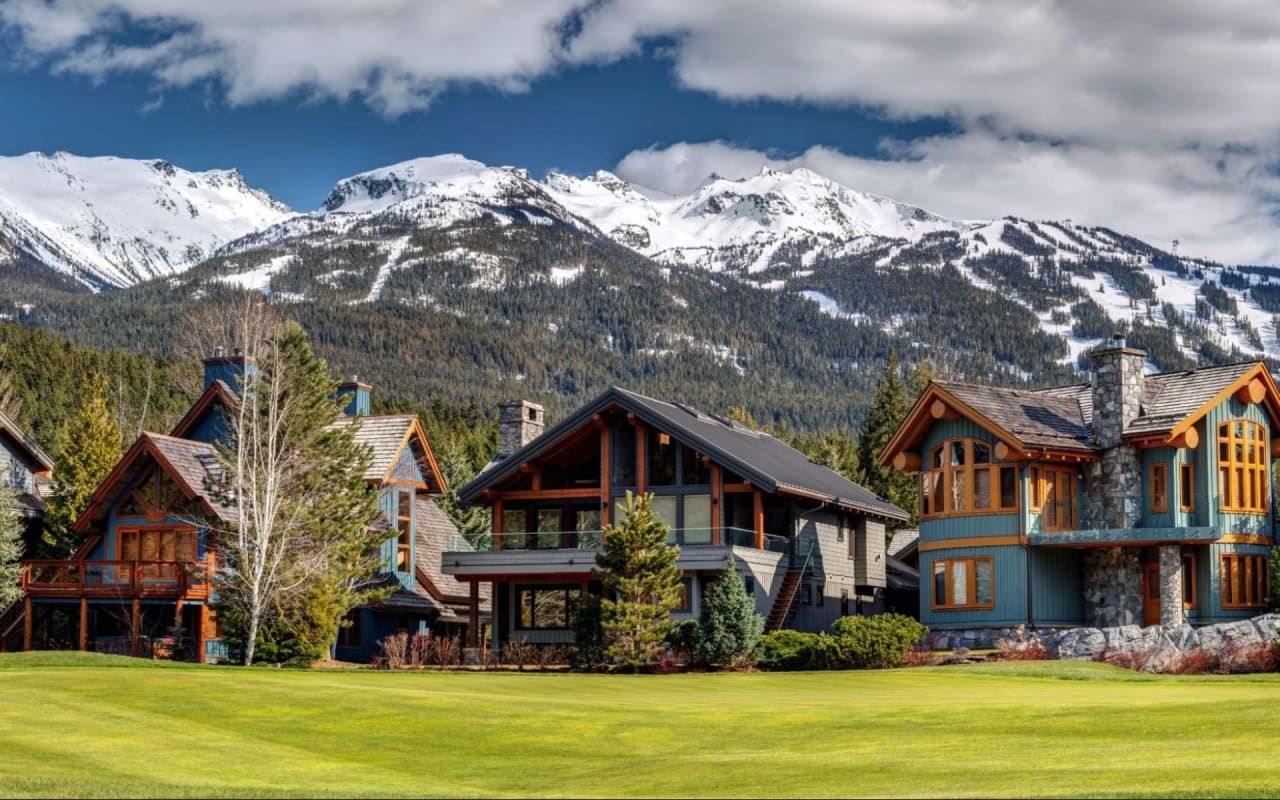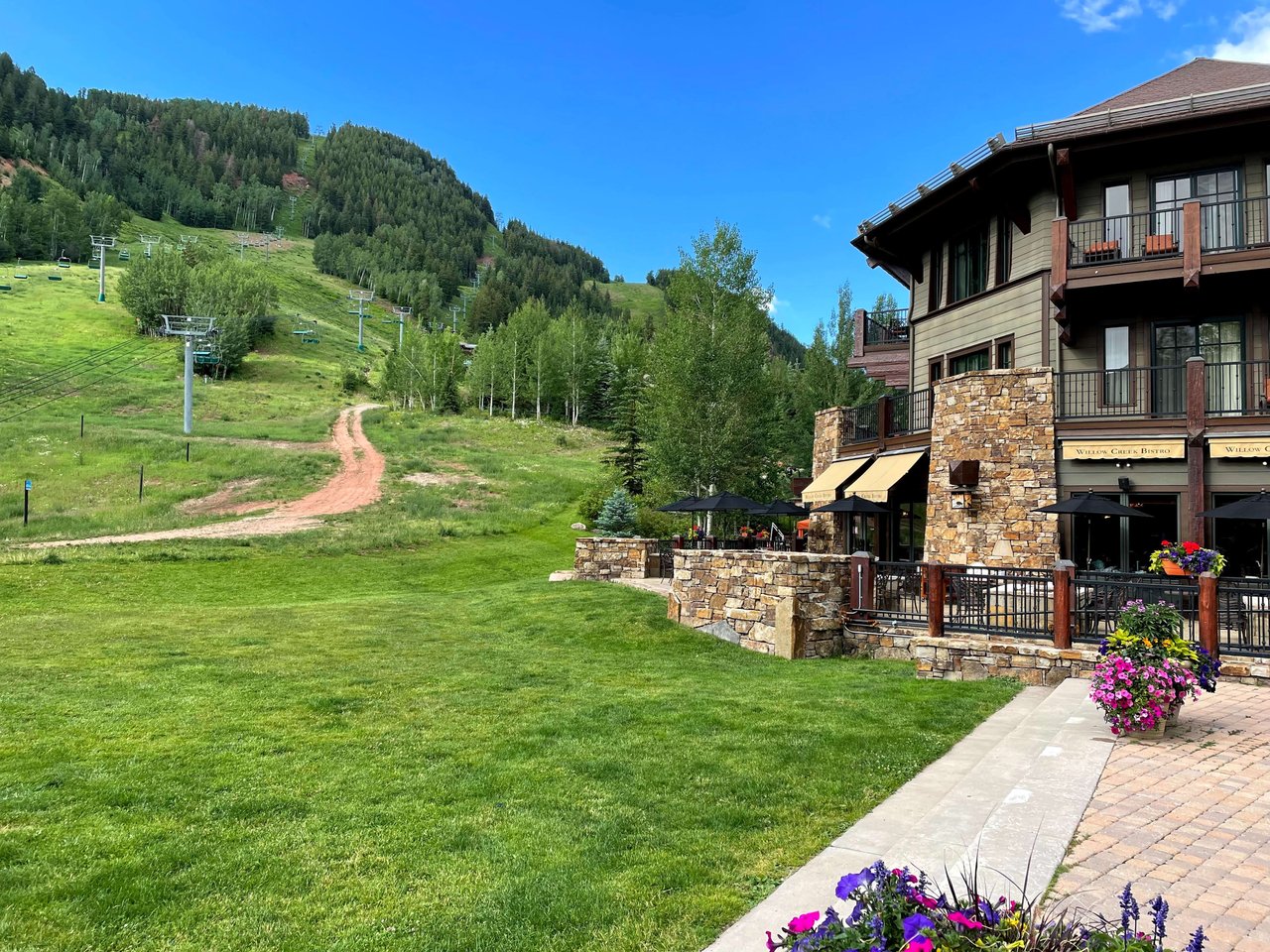

Wondering if a ski-in/ski-out home in Aspen is always as effortless as it sounds? In this market, the label can mean very different things depending on the mountain, the exact route, and even the building you choose. If you are thinking about buying slope-side property in Aspen, this guide will help you understand where true access exists, what costs and rules can affect ownership, and how to weigh lifestyle against long-term value. Let’s dive in.
Where Aspen ski-in/ski-out homes are
True ski-in/ski-out inventory in Aspen is limited and concentrated in a few key pockets rather than spread evenly across town. That matters because two properties can both sound slope-side, yet offer very different day-to-day convenience.
Around Aspen Mountain, the strongest concentration sits near the base area and downtown-adjacent neighborhoods. Official lodging examples include The Little Nell, Residences at The Little Nell, W Aspen, Sky Residences at W Aspen, Shadow Mountain, and Durant Condominiums, with access ranging from true ski-in/ski-out to ski-in only or ski-adjacent.
That distinction is important. If you are buying near Aspen Mountain, you should verify whether you can actually ski out from the property, whether the return route is direct, and how much walking is involved to reach the gondola or lift.
Aspen Mountain access
Aspen Mountain is Aspen’s town mountain, with the Silver Queen Gondola rising directly from downtown. For many buyers, that makes it the most compelling mix of skiing and walkability.
If you want to move easily between the slopes, restaurants, shopping, and events in town, Aspen Mountain often checks the most boxes. But there is no beginner terrain on Aspen Mountain, so the lifestyle fit depends heavily on who will use the property.
Aspen Highlands access
Aspen Highlands offers a smaller amount of ski-in/ski-out inventory, but it includes true slope-side options such as the Ritz-Carlton Club at Aspen Highlands. This mountain is more terrain-driven and less centered on downtown access.
Highlands has 144 trails, with 65% expert terrain, and includes the hike-to Highland Bowl experience at 12,392 feet. If you are a strong skier who values mountain access and a more tucked-away feel, Highlands may be a better fit than a downtown Aspen property.
Buttermilk access
Buttermilk is Aspen’s easiest mountain and is known for beginner-friendly terrain, Panda Peak, and its X Games identity. Official lodging information identifies the Inn at Aspen as the only ski-in/ski-out hotel at Buttermilk.
That suggests ownership opportunities with true slope-side access are more limited there than in other resort areas. If your priority is easy terrain and simple mountain access, Buttermilk can still be worth considering, but inventory is not as broad.
Snowmass as a comparison
Snowmass is not Aspen proper, but it is a crucial comparison point for buyers. Aspen Snowmass reports that 95% of Snowmass lodging is ski-in/ski-out, and the area offers a much deeper pool of slope-side condos and hotels than Aspen itself.
Snowmass is about a 15-minute drive from Aspen, so the tradeoff is often clear. Aspen tends to offer ski access plus downtown Aspen, while Snowmass tends to offer more abundant ski-in/ski-out inventory in a more self-contained resort setting.
Why access quality matters
Not all ski-in/ski-out access delivers the same ownership experience. In Aspen, route quality can shape convenience, resale appeal, and how often you actually use the ski access you are paying for.
A property may be marketed as ski-in/ski-out but rely on a catwalk, traverse, or conditions-dependent route. Some homes are truly ski-out but only ski-in under the right snow or open-terrain conditions.
Aspen Snowmass boundary policies also matter. Guests may leave and return to the resort only where terrain is open, may not reenter through closed areas, and ski patrol coverage ends once you leave the boundary.
Questions to ask about ski access
Before you buy, get specific about how access works in real life.
- Is the property true ski-in/ski-out, ski-in only, or ski-adjacent?
- What exact trail, catwalk, or base-area route connects to the home?
- Does the route depend on snow conditions or open terrain?
- How far is the walk to the gondola or lift in ski boots?
- Is access practical for everyone in your household or guests?
Those details can make the difference between a home that feels effortless and one that feels good only on paper.
Match the mountain to your lifestyle
A ski home should fit how you actually spend time in Aspen. The best purchase is not always the one with the most direct access. It is the one that lines up with your skiing style, your preferred pace, and how much you want to be in town.
Aspen Mountain for town life
Aspen Mountain is the best fit if you want skiing woven into downtown living. You can step into a day that includes morning laps, lunch in town, and an easy walk to dinner or an event later that evening.
For many second-home buyers, that blend is hard to beat. The tradeoff is that access is more limited in supply, and not every property near the mountain offers the same level of direct slope connection.
Highlands for advanced skiers
Aspen Highlands tends to attract buyers who care more about the mountain experience itself. It is especially appealing if your focus is advanced terrain, fewer crowds, and a setting that feels more mountain-first than town-first.
If walkability to downtown matters less than terrain quality, Highlands may feel more aligned with your goals. It is a more specific lifestyle choice, which can be a strength if that is exactly what you want.
Buttermilk for easy terrain
Buttermilk is ideal for newer skiers and multi-generational groups who want approachable terrain. If your household includes beginners or people who value simplicity over challenge, this mountain can offer a smoother fit.
Because true ownership inventory is more limited, your search may require more patience. Still, the lifestyle logic is clear if ease of skiing is your top priority.
Snowmass for broader slope-side options
Snowmass often becomes the benchmark for easy ski access because of its scale and resort design. With 3,300 acres and 4,400 vertical feet, it offers a broad mountain experience and a larger range of slope-side choices.
If you are deciding between Aspen and Snowmass, the real question is often whether you want downtown Aspen integrated into daily life or whether you prefer a more resort-centered environment with deeper inventory.
Understand Aspen ownership costs
The purchase price is only part of the equation. In Aspen, closing costs, transfer taxes, property taxes, and building operating costs can all materially affect your budget.
The City of Aspen levies two real estate transfer taxes that are paid by the purchaser: a 0.5% RETT for arts-related purposes and a 1.0% RETT for housing needs. That means buyers should factor in an added 1.5% transfer-tax cost when planning cash to close.
Pitkin County also values property annually, though tax bills depend on mill levies set by multiple taxing districts. The assessor notes a 2026 residential local-government assessment rate of 6.8% with a special adjustment on the first $700,000 of value, and a school-district residential rate of 7.05%, with the note that rates may still be adjusted later in the year.
HOA costs and service levels
Slope-side ownership often comes with meaningful HOA dues, especially in buildings with hospitality-style amenities. Depending on the property, services may include concierge support, housekeeping, shuttle service, ski storage, front desk operations, parking, pools, or hot tubs.
Those features can make ownership easier, especially for remote buyers and seasonal owners. But they also create wide variation in monthly costs, so it is smart to compare dues, reserves, parking, elevators, and owner-use restrictions before you commit.
Review Aspen short-term rental rules carefully
If rental income is part of your ownership plan, Aspen’s short-term rental rules deserve close attention. The city defines a short-term rental as a stay of fewer than 30 days and requires both a permit and a business license before operation.
Aspen’s permit structure affects both flexibility and tax exposure. The three permit types are Lodging Exempt, Owner-Occupied, and Classic, and they are not interchangeable in practice.
Aspen STR permit basics
Here are the core points buyers should know:
- Owner-Occupied permit: limited to 120 rental nights per year
- Classic permit: no annual night limit, but capped in certain zones and may require waitlisting
- Lodging Exempt permit: intended for lodge and condo-hotel managers
- Non-transferability: buyers should not assume an existing permit automatically carries over
The tax side matters too. Aspen lists aggregate nightly tax at 17.35% for owner-occupied or lodging-exempt operations and 22.35% for classic investment or second-home properties, with filings due monthly.
HOA and condo-hotel checks
The city may require an HOA Compliance Affidavit and Letter of Approval with some STR applications. Aspen also states that individual owners of units in lodge or condo-hotel properties are not eligible for the Lodging Exempt permit.
There is another detail many buyers miss. To remain eligible for renewal, a short-term rental must be occupied by a short-term renter at least once per year based on tax filings, and one year of zero filings can cause the permit to be treated as abandoned.
If you are buying with rental use in mind, this is one of the most important parts of due diligence. A beautiful slope-side property may not perform the way you expect if permit rules, tax treatment, or HOA policies limit how you can use it.
What drives value and resale
There is no city or county formula that sets a standard ski-in/ski-out premium in Aspen. Value is property-specific and shaped by a small group of factors that buyers consistently care about.
The biggest drivers include the quality of the ski route, whether access is true ski-out or only ski-in, proximity to the gondola or base, walkability to town amenities, parking, HOA structure, and whether the property can legally and profitably be rented.
In practical terms, Aspen Mountain and downtown-adjacent properties often appeal to buyers who want both skiing and town life. Highlands tends to resonate with advanced skiers, Buttermilk with ease-focused users, and Snowmass with buyers who want more abundant slope-side options.
It is also worth remembering that not every Aspen buyer needs direct ski access. Aspen’s free shuttle network reaches the ski lift and Aspen Highlands Village, which can help support demand for homes that are close to the action without being directly on the slope.
A smart buying approach
The best Aspen ski-in/ski-out purchase usually comes from balancing emotion with precision. The mountain setting may be what draws you in, but the day-to-day details are what determine whether the property truly fits your life.
As you compare options, focus on three things: how the ski access works in real conditions, how ownership costs affect your long-term comfort, and how city and HOA rules shape rental flexibility. When those pieces line up, you are much more likely to buy a property that feels rewarding now and resilient later.
If you are exploring ski-in/ski-out property in Aspen or weighing Aspen against Snowmass, PJ Bory can help you sort through access, building details, rental considerations, and the local tradeoffs that matter most.
FAQs
What does ski-in/ski-out mean for Aspen property?
- In Aspen, ski-in/ski-out can mean true direct slope access, ski-in only access, or ski-adjacent access, so you should verify the exact route instead of relying only on the label.
Where are most ski-in/ski-out properties in Aspen?
- The main clusters are around the base of Aspen Mountain near downtown, with smaller true slope-side options at Aspen Highlands and very limited options at Buttermilk.
Is Aspen Mountain good for beginner skiers buying a ski home?
- Aspen Mountain has no beginner terrain, so it is generally a better fit for buyers who prioritize downtown access and skiing but do not need beginner-friendly runs on that mountain.
How does Snowmass compare to Aspen for ski-in/ski-out homes?
- Snowmass offers much deeper ski-in/ski-out inventory and a more resort-village setting, while Aspen offers more limited slope-side supply with stronger integration into downtown life.
What transfer taxes should buyers expect in Aspen?
- The City of Aspen charges purchasers two real estate transfer taxes totaling 1.5%, made up of a 0.5% arts RETT and a 1.0% housing RETT.
What are the short-term rental rules for Aspen second homes?
- Aspen requires a permit and business license for rentals under 30 days, and permit type, night limits, tax rates, zone caps, HOA approval, and non-transferability can all affect how a second home may be rented.
Why do HOA rules matter for Aspen ski condos?
- HOA rules can affect STR eligibility, owner use, service levels, parking, reserve strength, and monthly costs, all of which can influence both enjoyment and resale appeal.