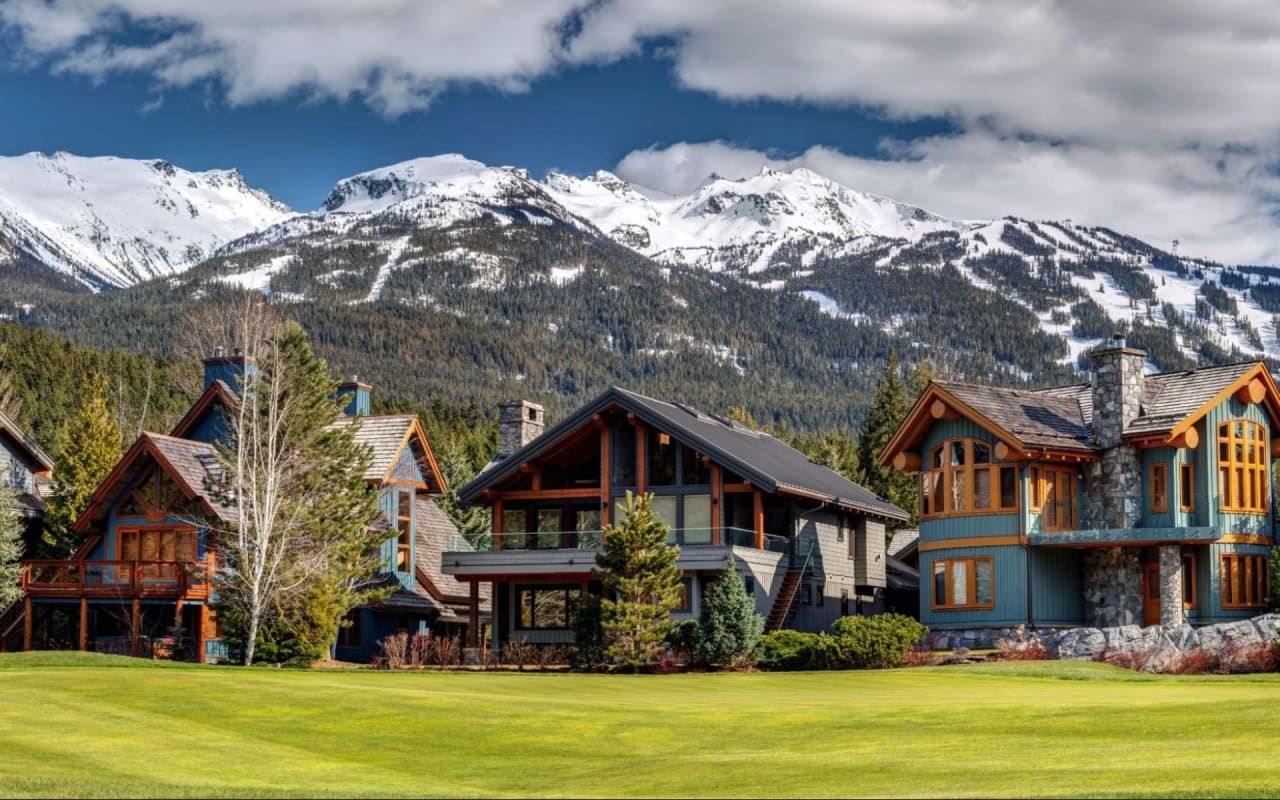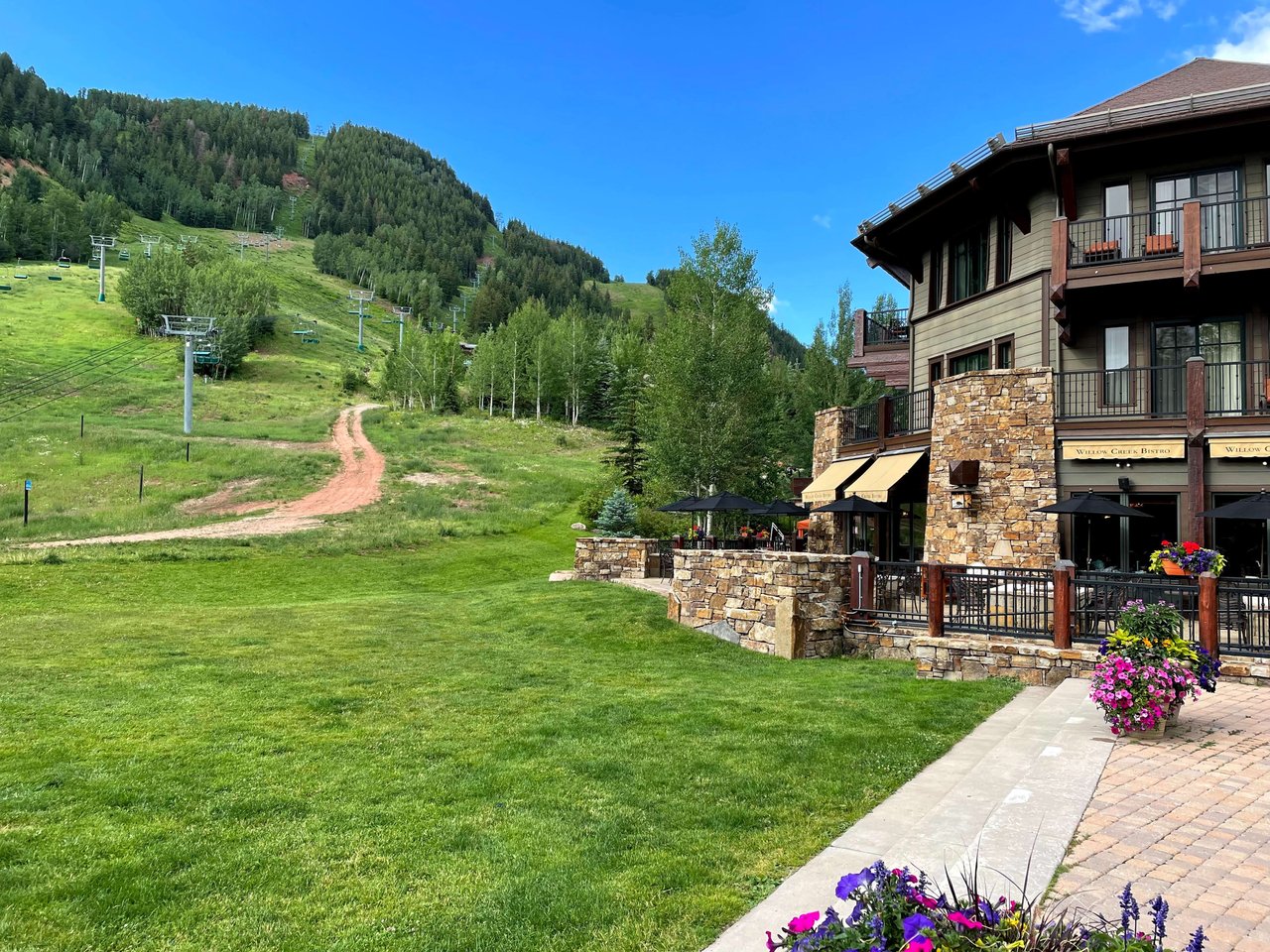

You can love Aspen and still feel torn between a condo and a house. That choice is not just about square footage or style. In Aspen, your day-to-day experience can change based on transit access, parking, snow removal, and whether you want a more turnkey setup or more control. If you are weighing both options, this guide will help you match the right property type to the way you actually want to live. Let’s dive in.
Why this choice feels different in Aspen
In Aspen, lifestyle and logistics are closely connected. The city supports a car-light way of living with free shuttles, fare-free Aspen-Snowmass bus service, free airport bus service, door-to-door Downtowner rides around town, plus strong biking and walking options.
That means location can shape your routine in a very real way. If you want quick access to lifts, dining, trailheads, and downtown errands, a well-located condo may feel effortless. If you prefer more separation and space, a house can still work well, especially since shuttle service reaches residential areas like Hunter Creek, Cemetery Lane, West End/Ute, and Mountain Valley.
Parking also matters more here than many buyers expect. Aspen’s downtown core has enforced parking from 10 a.m. to 6 p.m. with a 4-hour limit, and seasonal operations like street cleaning and snowplowing affect how parking works. Because of that, private parking can be a major quality-of-life feature whether you choose a condo or a home.
What condo living usually means
A condo usually means you own your individual unit along with an ownership interest in shared areas and amenities. That structure often creates a more streamlined ownership experience, especially when monthly assessments cover maintenance of common property and amenities.
For many Aspen buyers, that can translate into a more convenient, lock-and-leave lifestyle. If you split your time between Aspen and another city, or simply want less exterior upkeep to manage, a condo can line up well with that goal.
Condo advantages to consider
Condos often appeal to buyers who want simplicity and access. In Aspen, that can be especially attractive when your property is near downtown services and transit.
Common benefits may include:
- Less hands-on upkeep for shared exterior areas
- Shared amenities in some communities
- Secure building access in some properties
- Easier in-town living near shops, dining, and transportation
- A setup that can feel more turnkey for seasonal use
If your ideal Aspen day includes walking to coffee, catching a shuttle, skiing, and coming home without thinking much about exterior chores, a condo may check a lot of boxes.
Condo tradeoffs to keep in mind
The flip side is that condo living is often more rule-based. Association rules may address pets, parking, noise, renovations, and renting.
That matters in Aspen because use restrictions can affect how flexible the property feels over time. If you want to remodel freely, store multiple vehicles easily, or use the property in a very specific way, you will want to review those building rules carefully.
What single-family home living usually means
A detached home often gives you more direct control over the property and more separation from neighbors. For buyers who value privacy, outdoor space, and a greater sense of independence, that can be a major advantage.
At the same time, more control usually comes with more responsibility. In Aspen, winter maintenance is a real part of ownership. The city states that property owners are responsible for snow removal in front of their properties, and owners are also responsible for maintenance and damage related to objects in the public right of way.
Home advantages to consider
A house may be the better fit if you want more room to spread out and fewer shared spaces. It can also make sense if off-street parking and on-site storage are high priorities.
Common benefits may include:
- More privacy and separation
- More direct control over your property
- Potentially more outdoor space
- Potentially easier private parking arrangements
- A living environment that may feel less shared
For some buyers, that added control is worth the extra work. If Aspen is not just a place to visit but a place where you want to settle into your own rhythm, a house can feel more personal.
Home tradeoffs to keep in mind
Owning a house is usually more hands-on. Exterior care, snow management, and other property tasks do not disappear just because you are using the home seasonally.
It is also important not to assume that a house means no rules. Some single-family communities still have HOA requirements that can address landscaping, exteriors, parking, pets, and modifications.
Aspen lifestyle factors that matter most
The condo-versus-home question gets clearer when you look at your real daily habits. In Aspen, a few local factors tend to shape the decision more than buyers expect.
Transit and walkability
If you want to move through Aspen without driving much, proximity matters. The city’s shuttle and bus system supports access to offices, ski lifts, trailheads, and other destinations around town.
That often gives centrally located condos an edge for convenience. But it does not mean homes are automatically car-dependent, since several residential areas also have shuttle access.
Parking convenience
If you drive often or expect frequent guests, parking should move higher on your list. Time-limited downtown parking and seasonal street operations can make private parking feel like a major asset.
This is one area where the details of an individual property matter just as much as the property type. A condo with constrained parking may feel less convenient than a house with dedicated off-street parking. The reverse can also be true.
Seasonal use and upkeep
If you spend only part of the year in Aspen, think honestly about how much oversight you want. A condo may reduce the number of exterior tasks on your plate, while a house may require more coordination when you are away.
For remote buyers and absentee owners, this is often one of the most important lifestyle filters. The best fit is often the one that matches how involved you want to be between visits.
Rental use is about rules, not labels
Many buyers ask whether a condo or a house is better for rentals. In Aspen, the better question is whether the specific property is eligible for the kind of rental use you want.
Aspen requires short-term rental permits for residential rentals under 30 days. The permit type depends on factors like residency, the number of nights allowed, zone district, and whether the property is classified as a lodge or condo-hotel.
That last point is especially important. Not every condo-style property is treated the same way, and lodge or condo-hotel properties are handled differently from standard residential units.
If the property is inside Aspen city limits, city permit rules apply. If it is outside city limits, Pitkin County rules apply instead.
In unincorporated Pitkin County, short-term rental rules include a 4-night minimum and a 120-night maximum. So if rental flexibility matters to you, the exact address and property category can be just as important as whether the property is a condo or a home.
What to review before you buy for rental use
If rental income or occasional short-term use is part of your plan, review these items early:
- Whether the property is inside Aspen city limits or in unincorporated Pitkin County
- The applicable short-term rental permit category
- Any night limits or minimum stay requirements
- Whether the property is a standard residential unit, lodge, or condo-hotel
- HOA approval requirements, if applicable
- HOA rules related to renting
In Aspen, a condo is not automatically better for rentals, and a house is not automatically more flexible. The governing rules decide that.
A simple way to choose
When buyers get stuck, it often helps to think in terms of friction. Each property type solves one kind of friction while creating another.
A condo often reduces maintenance and supports convenience. A house often increases privacy and control. Aspen’s transit network, parking rules, and winter conditions make those differences show up quickly in everyday life.
A condo may fit you best if
- You want a more turnkey ownership experience
- You expect to use transit, walking, or biking often
- You value in-town convenience
- You want less exterior maintenance to manage
- You plan to use the property seasonally and prefer a lock-and-leave setup
A home may fit you best if
- You want more privacy and separation
- You want more control over your living environment
- You prefer fewer shared spaces
- You expect off-street parking to be important
- You are comfortable with more hands-on ownership responsibilities
The best Aspen property is the one that matches your routine
In Aspen, the right choice is rarely about whether condos are better than homes in general. It is about how you want your mornings, weekends, winters, and travel schedule to feel.
If convenience, lower upkeep, and proximity are your top priorities, a condo may be the stronger fit. If privacy, space, and control matter most, a house may serve you better. And if rental use is part of the plan, the details of permits and property classification should be part of the conversation from the start.
If you want help weighing the tradeoffs between Aspen condos and homes, PJ Bory offers local, low-pressure guidance tailored to how you want to live and use the property.
FAQs
What is the main lifestyle difference between Aspen condos and homes?
- Aspen condos often offer a more turnkey, convenience-focused ownership experience, while Aspen homes often offer more privacy, space, and direct control with more hands-on maintenance.
How does Aspen transit affect the condo versus home decision?
- Aspen’s free shuttles, fare-free bus service, airport bus service, and in-town ride service can make both condos and homes workable without heavy car use, especially if the property has good access to routes.
Why is parking important when choosing property in Aspen?
- Downtown Aspen parking has time limits and seasonal operational rules, so a property with easier private parking can feel much more convenient in daily life.
Are Aspen condos better for seasonal owners?
- Aspen condos can be a strong fit for seasonal owners who want a more lock-and-leave setup and less exterior upkeep, but building rules and parking details still need close review.
Do Aspen single-family homes always have fewer rules than condos?
- No. Some Aspen-area single-family homes are still subject to HOA rules that can address exteriors, parking, pets, landscaping, and property modifications.
How do Aspen short-term rental rules affect condos and homes?
- In Aspen, short-term rental eligibility depends on the exact property location, permit category, zoning-related factors, and property classification, not just whether the property is a condo or a house.
What short-term rental rules apply outside Aspen city limits in Pitkin County?
- In unincorporated Pitkin County, short-term rental rules include a 4-night minimum and a 120-night maximum.
What should you review before buying an Aspen property for rental use?
- You should confirm whether the property is inside Aspen city limits or in unincorporated Pitkin County, review the permit category, understand any stay or night limits, and check HOA approval and rental rules if applicable.